
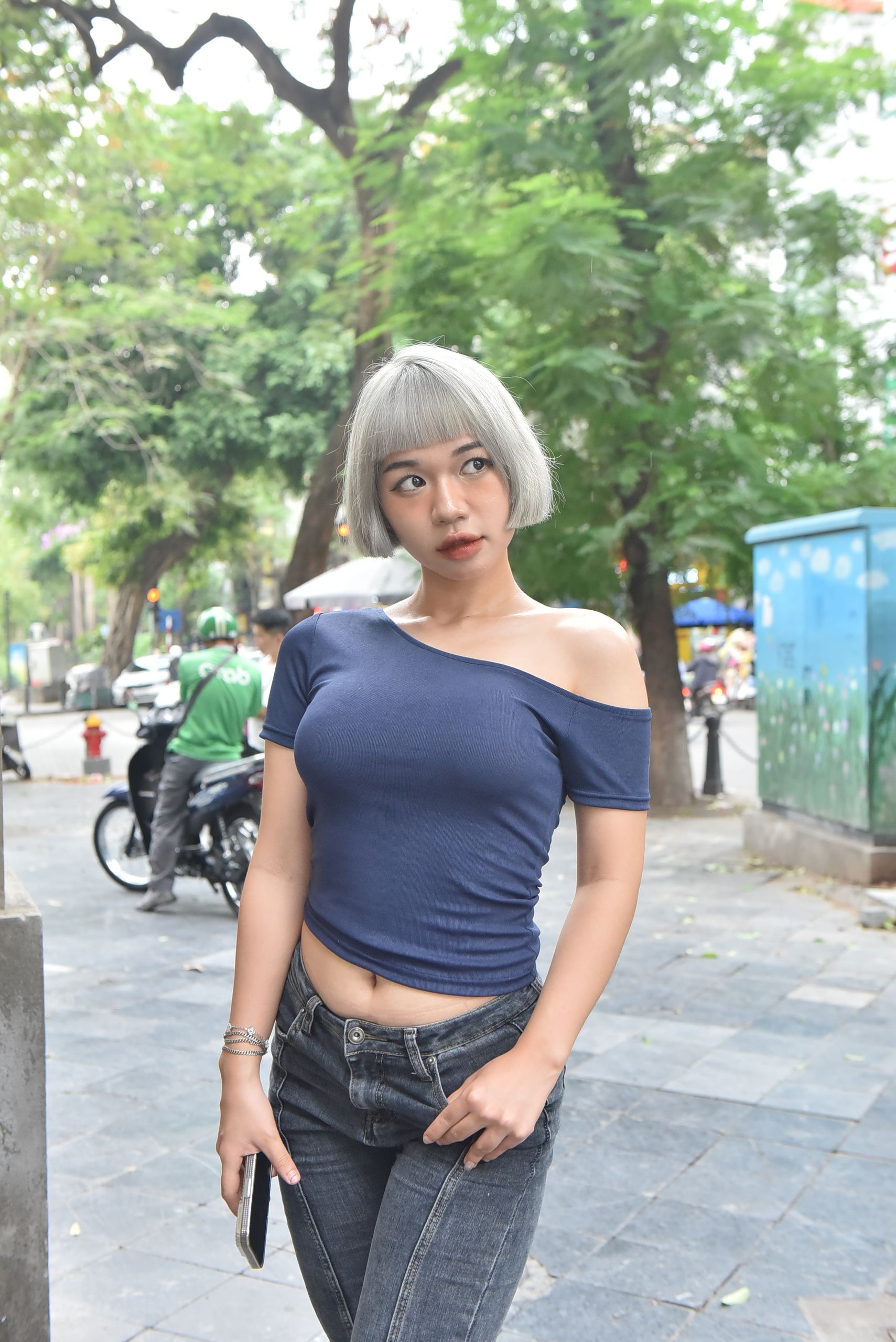
15 Gray Bob Hairstyles That Look Polished and Modern
Going gray does not have to mean going shapeless. The difference between a gray bob that looks tired and one that looks intentional is almost never the colour itself — it is the shape around it. A sharp perimeter, layers placed where your hair actually needs movement, and a fringe or parting that frames your face will do more for gray hair than any single product.
Below are 15 gray bob hairstyles organised by shape and texture, each with honest guidance on who it suits and a styling tip you can actually use. Take your favourite to the salon — and take the “what to ask for” line with it.
Quick Answer
A polished gray bob pairs a defined bob shape — blunt, layered, stacked, or asymmetrical — with gray, silver, or salt-and-pepper colour that is kept bright and even. The best version for you depends on hair texture and density, face shape, and how much upkeep you want: blunt and sleek bobs look sharpest on straight, medium-density hair, while layered and curly versions give movement to thicker or wavy hair. Gray hair care is gentler and more regular than dramatic — see the care section below for qualified, product-dependent guidance.
Gray, silver, and salt-and-pepper — what is the difference?
These words are often used interchangeably, but they describe different results, and the distinction matters at the salon. Natural gray is the hair’s own pigment loss, which varies strand by strand. Silver is usually a coloured result: hair lightened and toned to a cool, bright silver. Salt-and-pepper keeps dark strands mixed with gray, so the overall effect is darker and more dimensional than full silver. A blended gray softens the line between coloured hair and natural regrowth, rather than covering it completely. If you are unsure which one you want, bring photos of all three and ask your colourist which is realistic for your current colour and hair condition — lightening dark hair to bright silver, for example, usually takes more than one session and depends on the hair’s condition.
1. The Classic Blunt Gray Bob
One clean line, no layers, chin to jaw length. This is the gray bob at its most deliberate: the blunt perimeter makes silver hair look like a choice, not an accident, and the even ends catch the light so the colour reads bright from every angle. Who it suits: straight to slightly wavy hair, medium density; oval, heart, and square faces. What to ask for: “a blunt bob, one length, jaw length, no layers, ends cut clean.” Styling tip: a smoothing cream on damp hair, blow-dried straight with a paddle brush, then a light shine spray. Keep the parting neat — a blunt bob shows a messy parting more than a layered cut does.
2. Layered Gray Bob with Movement
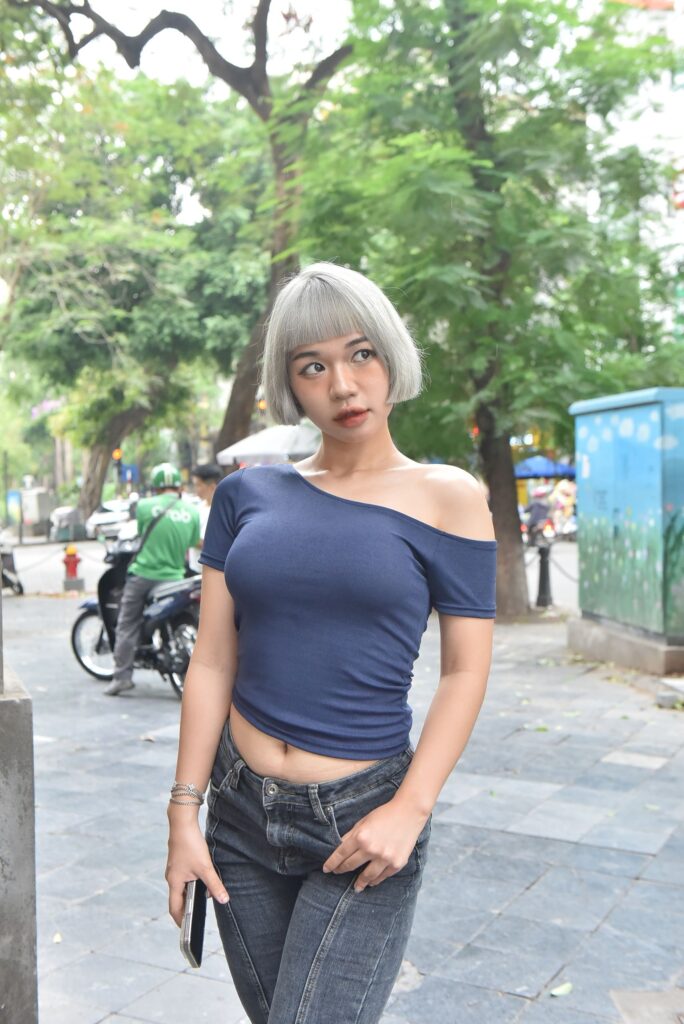
Soft layers through the mid-lengths and ends, keeping the overall bob length. Layers stop a gray bob from sitting like a helmet, especially on thicker hair, and they let silver tones show dimension instead of one flat shade. Who it suits: medium to thick hair; round and square faces (layers that start below the chin elongate rather than widen). What to ask for: “long layers through the back and ends, keep the bob length, nothing short on top.” Styling tip: blow-dry with a round brush, turning the ends under slightly, or scrunch in a light mousse and air-dry for soft movement.
3. Curly Gray Bob
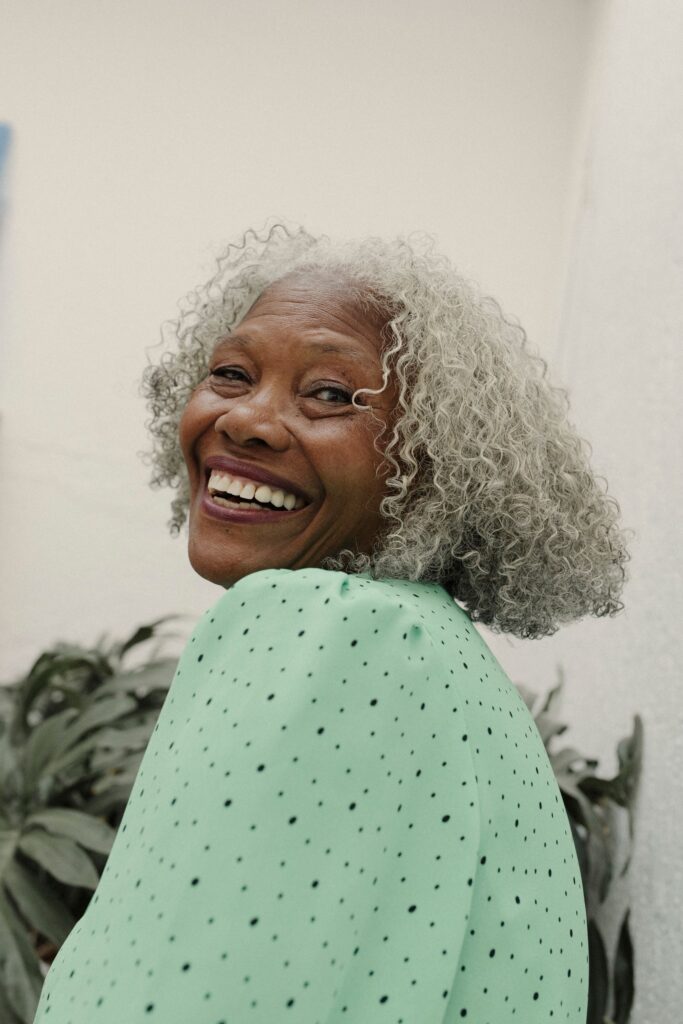
Defined curls in a rounded bob shape, with layers that keep the shape from turning triangular. Gray curls can look spectacular because each curl catches light differently — the key is cutting the shape dry or with the natural curl pattern in mind, so the length does not spring up shorter than expected. Who it suits: 2C to 3C curl patterns; anyone whose curls need shape, not just length. What to ask for: a dry cut where possible, rounded layers, no blunt bottom edge. Styling tip: curl cream on soaking-wet hair, scrunch, then diffuse on low heat or air-dry; avoid brushing dry curls, which breaks up the curl pattern this shape depends on. Our haircuts for curly hair guide has more curl-shape pairings.
4. Wavy Gray Bob
Natural waves plus a bob length, with just enough layering to let the waves move. This is the most forgiving gray bob: waves hide uneven growth between cuts, and the texture keeps silver hair from looking flat. Who it suits: 2A–2C waves; anyone trying a gray bob for the first time. What to ask for: “a wavy bob, light layers, face-framing pieces starting at the cheekbones.” Styling tip: salt spray or light mousse on damp hair, scrunch, air-dry. That is genuinely the whole routine on most days.
5. Salt-and-Pepper Bob
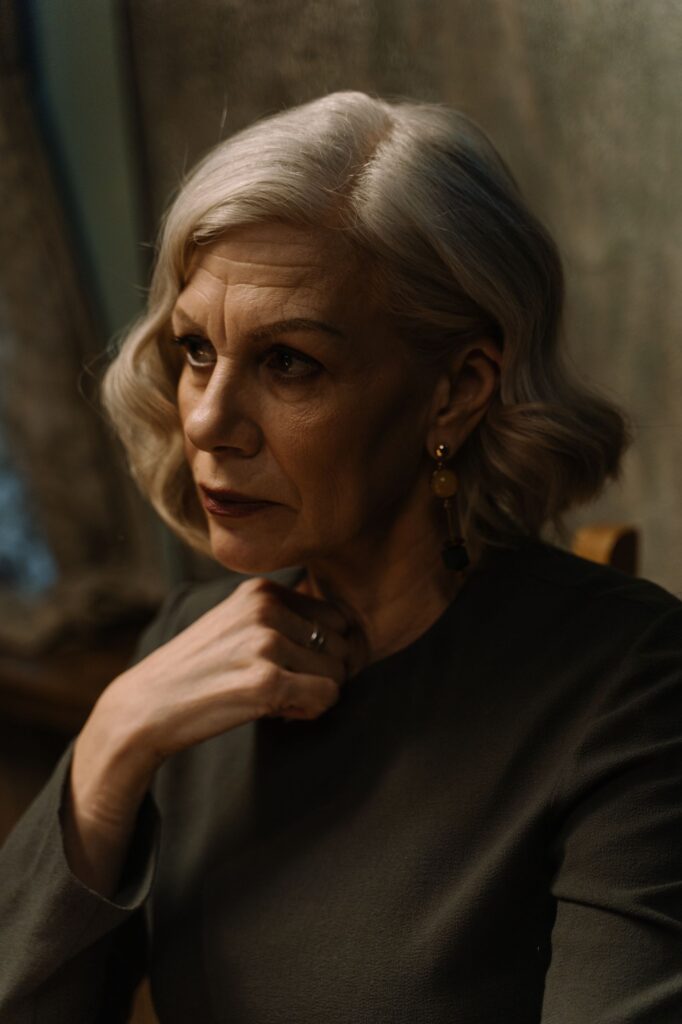
Dark strands left in among the gray, so the bob reads darker and more dimensional than full silver. This is often the kindest first step into gray: it looks natural, it grows out softly, and it suits readers who do not want a dramatic colour change. Who it suits: hair that is partly gray already; readers growing out colour gradually. What to ask for: “keep my dark strands, blend the gray through, no full coverage.” Styling tip: a gloss or toner between colour appointments can even out the blend — how often depends on your hair’s condition and the formula used, so follow your colourist’s guidance rather than a fixed schedule.
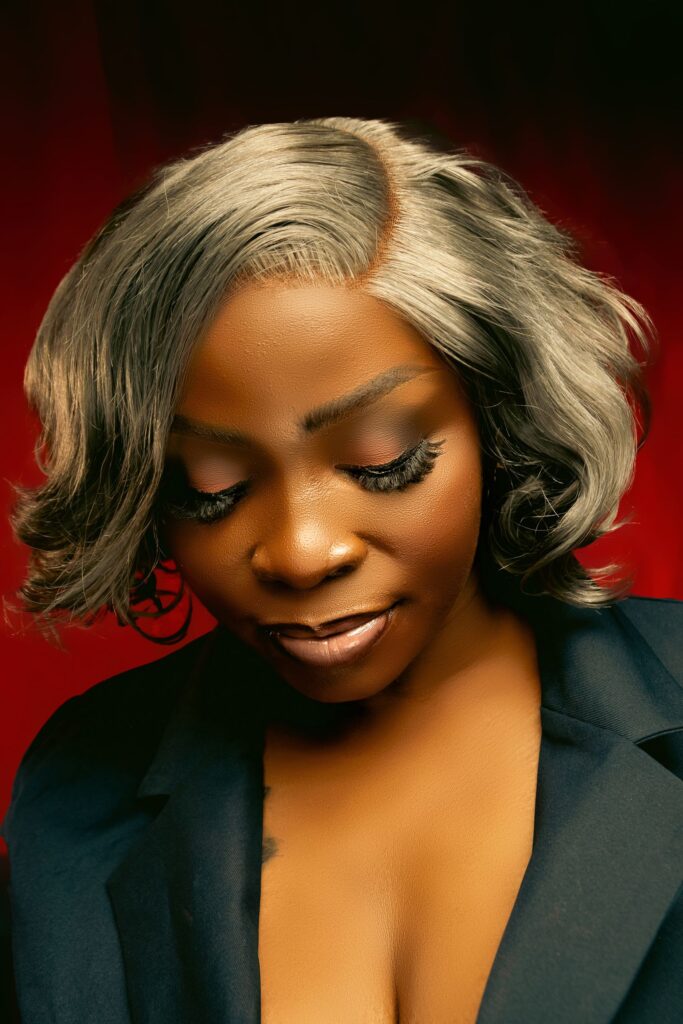
6. Bright Silver Bob
Fully lightened, cool-toned silver, cut in a clean bob shape. The brightest version on this list, and the highest-maintenance: silver toner fades with washing, and the result depends heavily on the starting colour and hair condition. It is worth it if you want gray to be the feature, not the background. Who it suits: hair that lightens well, or naturally light gray; readers happy with regular toner upkeep. What to ask for: “lighten to a clean base, tone cool silver, keep the bob shape sharp.” Styling tip: wash less often where practical, use lukewarm water, and follow the product directions for any purple or silver shampoo — it is a toning product, not an everyday shampoo, and overuse can leave a lilac cast depending on the formula and your hair’s porosity.
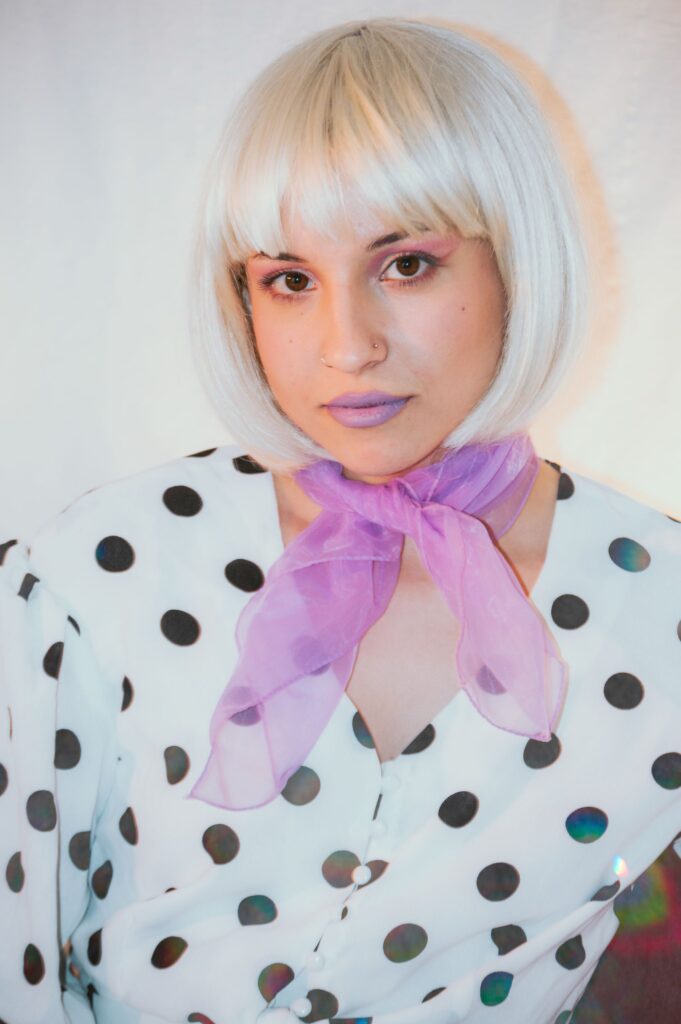
7. Gray Bob with Wispy Bangs
A soft, feathered fringe that breaks up the forehead line and stops a gray bob from looking severe. Wispy bangs are more forgiving than a blunt fringe as they grow out, and they work well with glasses. Who it suits: long and oval faces (the fringe shortens visually); fine to medium hair. What to ask for: “wispy, feathered bangs, cut longer at the temples, blended into the sides.” Styling tip: blow-dry the fringe first, while it is still damp, with a small round brush — bangs set the tone for the whole bob, and they dry in whatever shape they cool in.
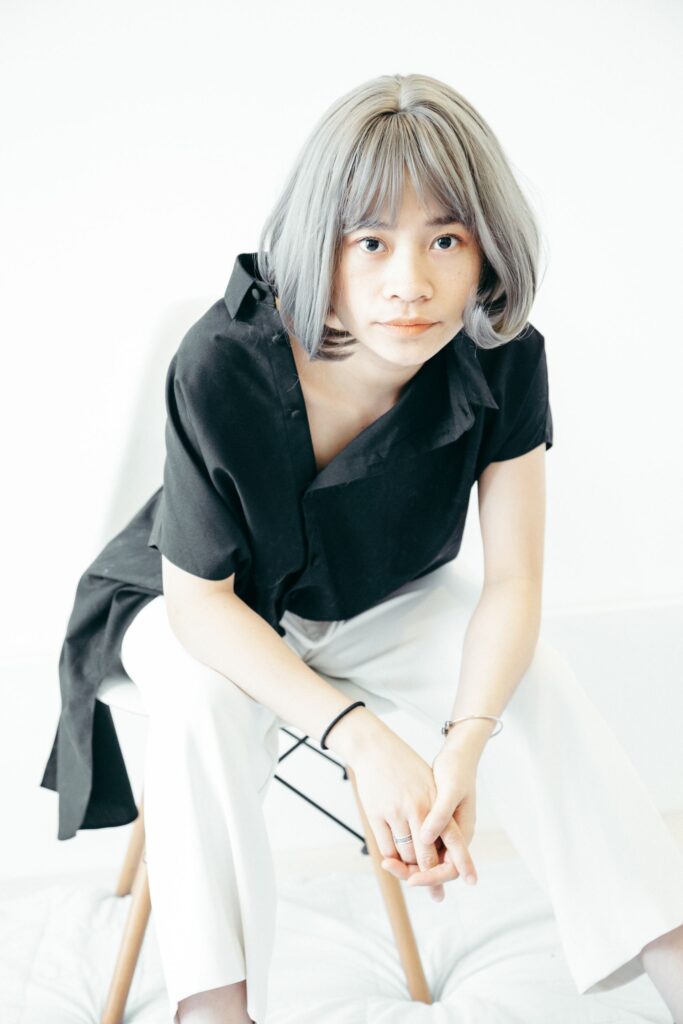
8. Gray Bob with Curtain Bangs
A parted, curtain-style fringe that melts into the bob’s face-framing layers, so the front reads as one continuous shape. This softens the bob without hiding the face, and it is a good choice if you are unsure about a full fringe. Who it suits: round and square faces (the parted fringe opens up the face); medium to long bobs. What to ask for: curtain bangs that blend into the shortest face-framing layers. Styling tip: blow-dry the bangs outward with a round brush, then let the rest air-dry or blow-dry smooth for contrast.
9. Stacked Gray Bob
Graduated layers stacked at the back, shorter at the nape and longer toward the front. The stacked back gives volume where flat gray hair needs it most, and the angled front keeps the cut looking modern rather than dated. Who it suits: fine to medium hair that needs lift at the back; petite features (the shape does not overwhelm). What to ask for: “stacked layers at the back, keep the front longer, angled silhouette.” Styling tip: volumising mousse at the roots before blow-drying is what builds the stacked shape — without it, the back can fall flat by midday.
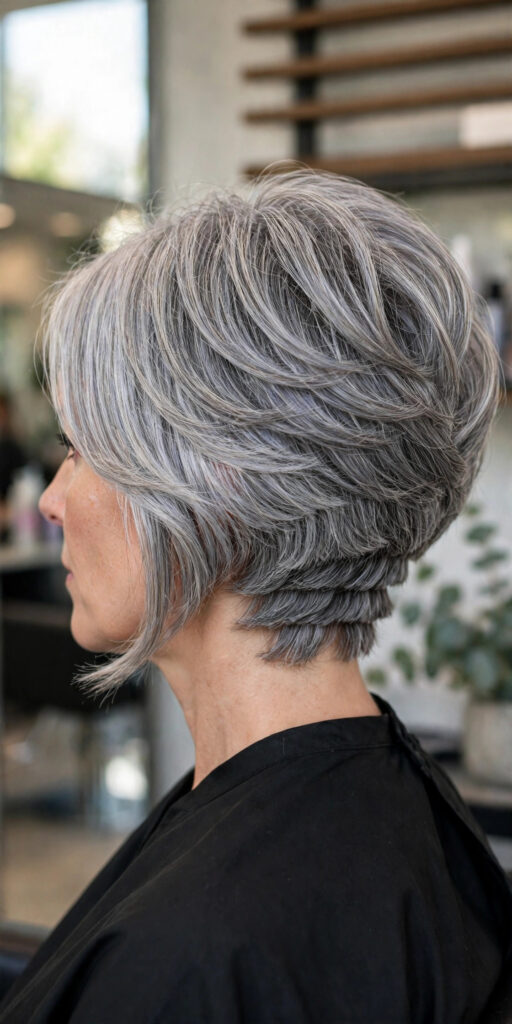
10. Asymmetrical Gray Bob
One side longer than the other, by a subtle inch or two — enough to read as intentional, not enough to complicate styling. Asymmetry suits gray particularly well because the longer side draws the eye along the colour, showing off dimension. Who it suits: straight to wavy hair; readers who want an edge without a dramatic cut. What to ask for: “asymmetrical, one side about an inch longer, keep the perimeter clean.” Styling tip: a deep side part on the longer side emphasises the asymmetry; a centre part softens it on days you want it quieter.
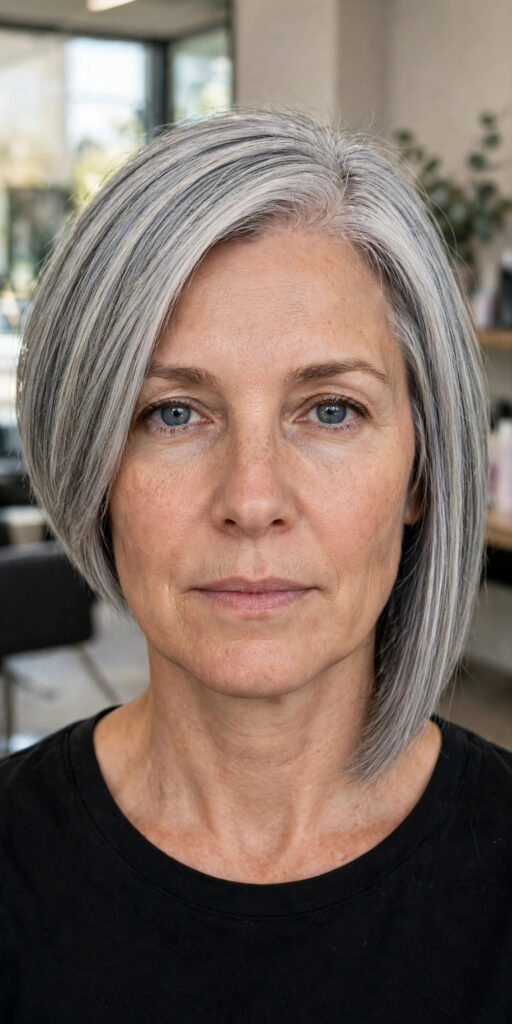
11. Chin-Length Gray Bob
Short, sharp, and confident: a bob that ends right at the chin. This length frames the jawline and cheekbones, so it suits strong bone structure, and it is one of the easiest gray bobs to keep looking neat between cuts. Who it suits: oval, heart, and square faces; straight or slightly wavy hair. What to ask for: “chin length, blunt or lightly layered, tucked or straight.” Styling tip: tuck one side behind the ear and leave the other loose — the asymmetry flatters the face and shows off earrings or glasses.
12. Gray Bob for Thick Hair
Interior layering that removes bulk without losing the bob shape. Thick gray hair can sit wide and heavy; this version thins the interior while keeping the perimeter full, so the bob keeps its shape instead of turning into a triangle. Who it suits: dense, coarse, or very thick hair of any pattern. What to ask for: “take the weight out with interior layers, keep the perimeter textured, not blunt.” Styling tip: this is the one version where a smoothing serum on the mid-lengths helps — it keeps the shape sleek rather than poufy. Maintenance note: thick hair may need the interior re-texturised every 8–10 weeks as it grows out, depending on how fast your hair grows. Our short hairstyles for thick hair guide covers more bulk-removing shapes.
13. Gray Bob for Fine Hair
Shorter overall length with feathered, point-cut ends, so fine hair keeps what density it has while still reading as a bob. The trick is wispy texture, not chunky layers, which would remove too much hair. Who it suits: fine or thin hair; petite features. What to ask for: “wispy layers, point-cut ends, nothing too chunky or disconnected.” Styling tip: volumising mousse at the roots before blow-drying upside down is what creates the fullness — avoid heavy oils, which can flatten fine hair.
14. Gray Bob for Women Over 60
A soft, face-framing bob with layers that start at or below the chin and volume on top, not at the sides. This is not a separate cut so much as a placement rule: layers that start too high widen the face, while chin-length framing and crown height flatter it. Who it suits: readers who want a polished, easy bob at any age, and especially those who find very short cuts too severe. What to ask for: “soft layers from the chin down, volume on top, easy grow-out.” Styling tip: a light-hold spray after blow-drying keeps the shape without stiffness, and a regular trim — typically every 6–8 weeks, depending on growth rate — keeps the perimeter from looking ragged.

15. Textured Gray Bob with Soft Waves
A tousled, piecey bob: textured ends, soft waves, and a finish that looks lived-in rather than set. This is the gray bob for readers who do not want to blow-dry every day — the texture is built into the cut, so second-day hair still looks intentional. Who it suits: wavy or easily textured hair; low-maintenance routines. What to ask for: “textured ends, soft layers, piecey finish, not blunt.” Styling tip: dry texturising spray on dry hair, misted into the layers and shaken out, is the whole routine. Wash-day hair can be left to air-dry with a little mousse for the same effect.
How to ask your stylist for a gray bob (exact wording)
Bring 2–3 photos of the same length and texture as your hair — photos beat descriptions every time, especially for gray, where “silver” means different things to different people. Then use this sentence as your base: “I want a bob in gray/silver tones, with [your chosen shape — blunt, layered, stacked, or curly], and I want to know how the colour will grow out on my hair.” Add your variation (“with wispy bangs”, “adapted for my curls”, “salt-and-pepper, not full silver”). Ask how the layers will grow out, and how often toner or a gloss will be needed for your version, before the scissors come out.
Keeping gray hair bright, honestly
Gray hair tends to show dullness and yellow tones more visibly than darker hair, because there is less pigment to mask them. That yellowing can come from several sources — hard water, sun exposure, heat styling, and some products can all contribute, depending on your water, routine, and hair condition — so no single product fixes it for everyone. A few qualified guidelines help most readers: wash with lukewarm water where practical; use a purple or silver-toning shampoo only every few washes and follow the product’s directions, since overuse can tint hair lilac depending on the formula and porosity; protect hair from prolonged sun and heat where you can; and keep up with conditioning, since dry gray hair looks duller than moisturised gray hair. If your gray is coloured rather than natural, ask your colourist how often toner is realistic for your version — timing varies with how often you wash, your starting colour, and the formula used. None of this is complicated; it is just worth knowing before you commit, so the bob you choose stays the colour you chose. Our hair care tips guide covers general conditioning routines in more detail.
FAQs
Will a gray bob make me look older?
Not by itself. What reads as ageing is usually a shapeless cut, an uneven colour, or a fringe that hides the face — not gray itself. A defined perimeter, layers placed for your face shape, and a fringe or parting that frames the face are what make a gray bob look polished. If you are worried, start with a salt-and-pepper blend (idea 5) or a layered shape (idea 2), which both read softer than a severe blunt cut.
Is silver the same as gray?
No, though the words overlap in everyday use. Natural gray is the hair’s own pigment loss, strand by strand. Silver is usually a coloured result, lightened and toned cool. Salt-and-pepper keeps dark strands mixed in. Tell your colourist which result you want with photos, not just a word, and ask what is realistic for your current colour and hair condition.
Does gray hair need special shampoo?
It does not need a special category of shampoo, but toning shampoos can help coloured silver stay bright. Use a purple or silver shampoo only every few washes and follow the product’s directions — overuse can leave a lilac tint depending on the formula and your hair’s porosity. For everyday washing, a gentle, moisturising shampoo suits most gray hair, since dryness shows more visibly on gray.
How often should a gray bob be trimmed?
Most bobs keep their shape best with a trim every 6–8 weeks, though timing depends on your hair’s growth rate and how crisp you like the perimeter. Layered and textured versions are more forgiving between cuts than blunt versions, which show growth sooner. Ask your stylist at the first appointment how your version is likely to grow out.
Can I get a gray bob if my hair is still mostly dark?
Yes — that is what salt-and-pepper and blended gray are for. Your colourist can blend gray through dark hair, or lighten selected sections, rather than covering everything at once. Bright silver from dark hair usually takes more than one session and depends on hair condition, so get a realistic plan before committing to full silver.
Final word
A gray bob works when the shape is deliberate and the colour is kept bright — not when either is left to chance. Pick the version that matches your texture and the amount of upkeep you actually want, take the exact wording to your stylist, and let the shape do the talking. If you love a polished bob shape but have not decided on gray, our Italian bob guide shows the same idea in non-gray colours, and our fall hair color ideas guide compares gray with other seasonal colours.


