15 Elegant Italian Bob Haircut Ideas for a Sophisticated Look
Some haircuts whisper. The Italian bob does not. It’s the cut you notice across a café — chin-length, full through the ends, moving like it has somewhere better to be. It borrows its confidence from old Italian cinema glamour, but the reason it keeps coming back is much more practical: it’s a short cut that still feels lush. You get the clean outline of a bob without the flat, helmet-like finish that puts so many people off going shorter.
If you’ve been saving bob photos for months but couldn’t say what the ones you loved had in common, this is probably it. The Italian versions all share the same recipe — length at the chin or jaw, weight kept low in the cut, and styling that favours body over perfection. Below are 15 Italian bob haircut ideas, organised by finish, texture, and colour, so you can find the one that matches your hair and your mornings.
Quick answer: An Italian bob is a chin- to jaw-length bob cut with minimal layering and a heavy, blunt-ish perimeter, so the fullness sits at the ends instead of the crown. It’s fuller and slightly longer than a French bob, softer than a classic one-length bob, and longer and less layered than a bixie. It suits most face shapes, makes fine hair look thicker, and typically needs a trim every 6–8 weeks. Start with the classic version (#1) if it’s your first bob.
What Exactly Is an Italian Bob?
Three things define it. First, length: it lands at the chin, the jawline, or just below — grazing the top of the neck rather than the shoulders. Second, weight placement: instead of lots of layers removing bulk, the cut keeps its density through the ends. That heavy perimeter is what creates the swing and the expensive-looking outline. Third, finish: it’s styled with volume and a little movement — a bend, a flick, a soft wave — rather than ironed flat. Layers, when they exist, are few, long, and internal, there to help the shape move, not to thin it out.
How it differs from its neighbours: a French bob is usually cut a touch shorter (jaw to cheek level), is often paired with a fringe, and wears a more undone finish. A classic blunt bob shares the clean perimeter but is typically styled sleeker and flatter, without the built-in body. And a bixie — the pixie-bob hybrid in our bixie haircut ideas guide — is shorter and more layered at the crown, with a softer, cropped outline; if you want cheekbone length and piecey texture, that’s your cut, and if you want chin length and swing, stay here. Now, the 15 versions.
1. The Classic Italian Bob
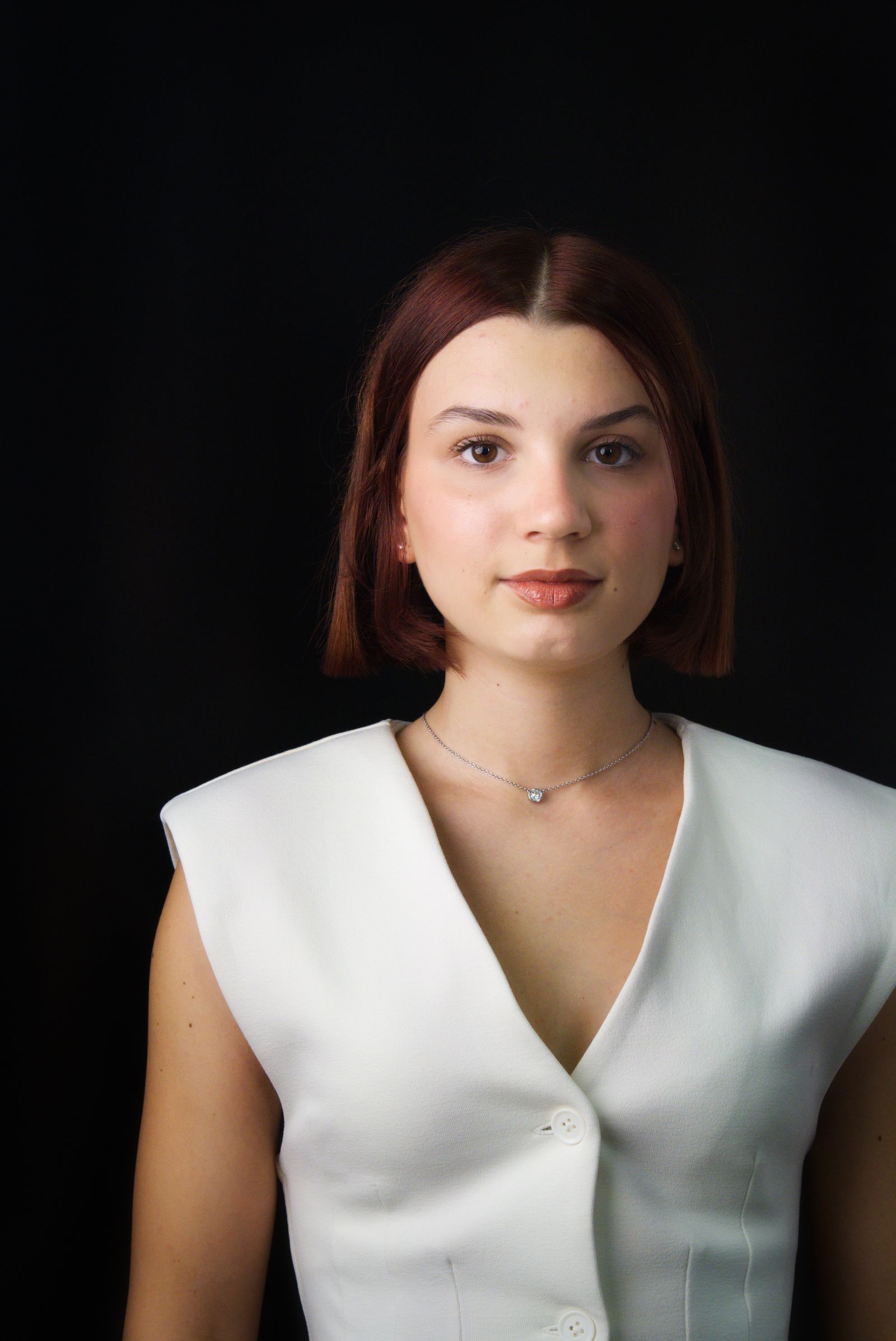
This studio portrait is the reference image — the one to show your stylist first. The dark hair falls in one full, chin-length shape against a dark background, the ends look dense rather than wispy, and the white vest underneath keeps all the attention on the outline. Nothing about it is layered or fussy; the sophistication comes from the weight and the clean perimeter.
Who it suits: Almost everyone, which is why it leads the list. It flatters oval, heart, and longer faces, and the full ends make fine-to-medium hair look noticeably thicker.
Styling tip: Blow-dry downward with a round brush, curving the ends under just once at the end. That single inward bend is the signature — don’t curl it further.
2. The Relaxed Italian Bob in a White Tee

Proof that this cut doesn’t need occasion dressing. Worn here in a plain white t-shirt indoors, the bob-length hair keeps the same full outline as #1 but reads softer and more everyday — the version that survives school runs, office days, and weekends without a costume change.
Who it suits: Straight to slightly wavy hair, and anyone who wants the Italian shape with a low-effort, natural finish. A good first bob if #1 feels too “done.”
Styling tip: Work a smoothing cream through damp hair and air-dry, tucking both sides behind your ears while it dries. The tuck sets a soft face-framing bend for free.
3. The Slightly Shorter Italian Bob
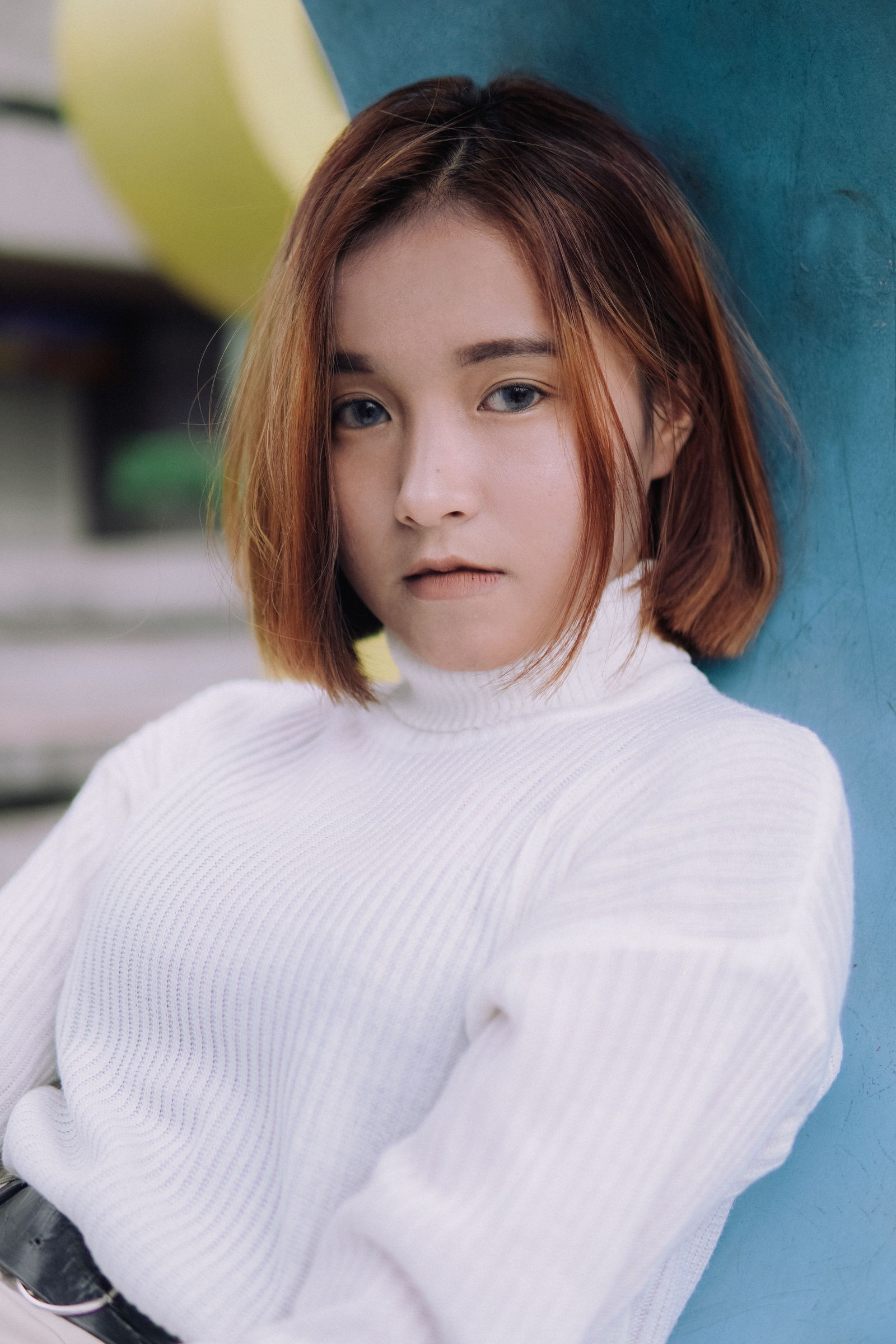
Take the classic up a fraction — still bob length, still full at the ends, but sitting a little higher and lighter, as in this casual portrait. It’s the in-between step for anyone leaving a longer style behind: short enough to feel like a real change, long enough to still tuck, pin, and part in different places.
Who it suits: Fine hair especially, because shorter lengths hold their shape and volume longer between washes. Also kind to petite features that a heavier bob can overwhelm.
Styling tip: Keep the ends piecey rather than perfect — a fingertip of paste, pinched through the last inch, stops a shorter bob from reading too neat.
4. The Dressed-Up Italian Bob
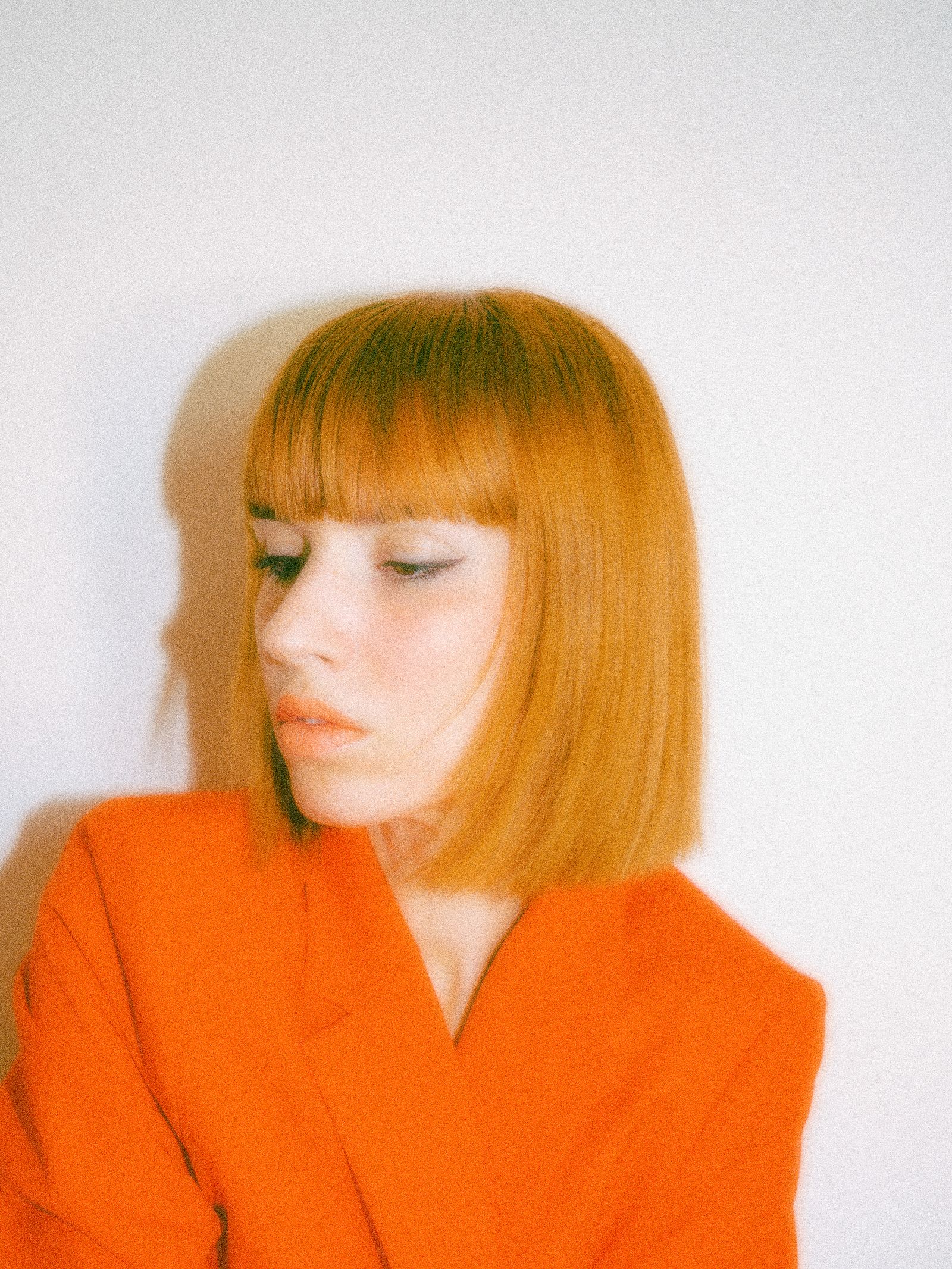
Same cut, evening energy. In this portrait the bob is worn polished with a bold orange blazer, and the combination makes the point clearly: a chin-length cut with full ends holds its own against strong colour and tailoring. Nothing needs to be added — no updo, no accessories in the hair — because the shape itself is the statement.
Who it suits: Medium to thick hair that can carry a smooth, dressed finish, and anyone whose short cut has to work for formal settings, photos, and events.
Styling tip: This finish is made while drying, not after. Blow-dry in sections with tension from a paddle brush, then press only the ends with a flat iron if needed.
5. Italian Bob with Bangs
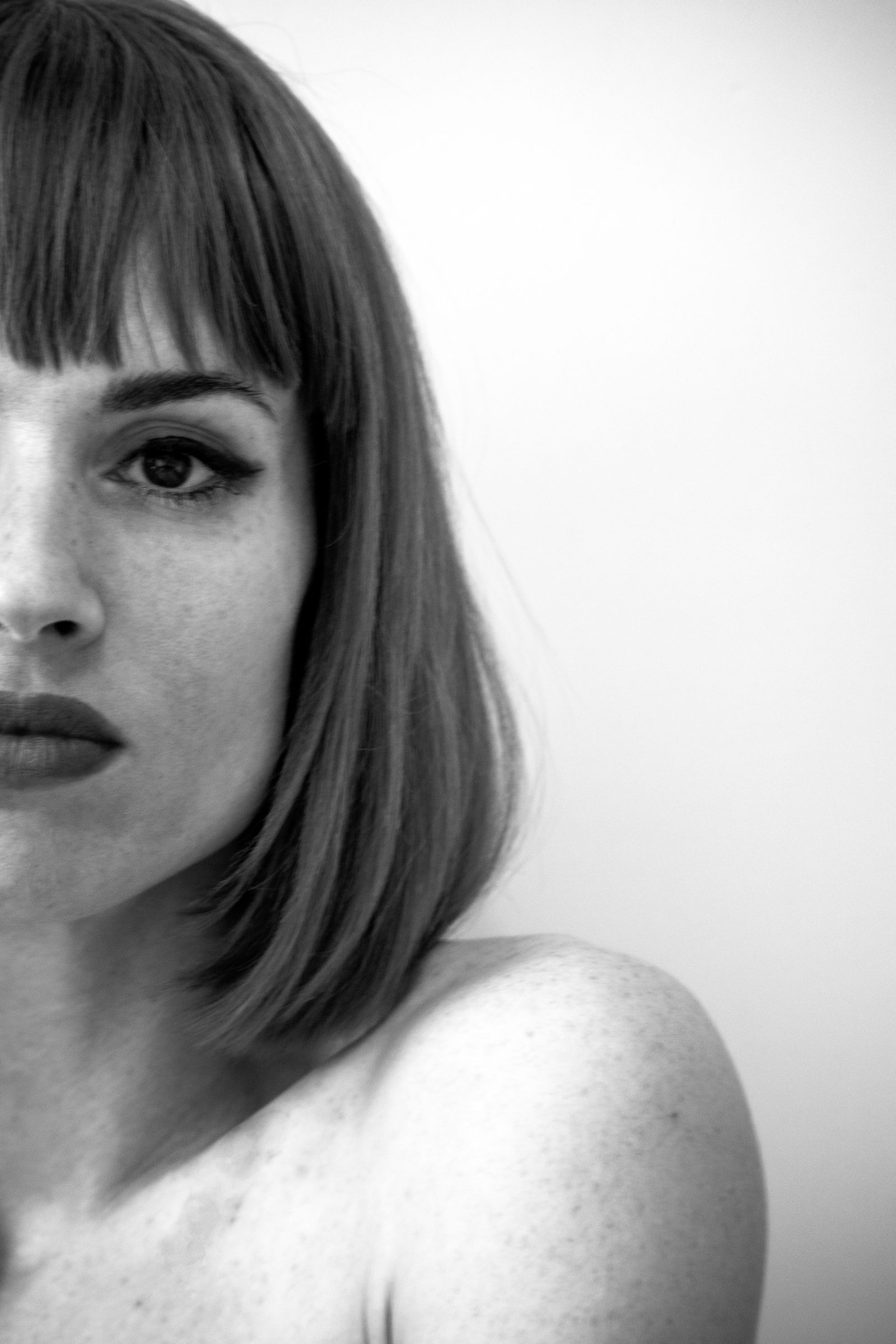
The fringe is the one addition that changes the Italian bob’s whole personality. In this black-and-white portrait, bangs meet a bob-length outline head-on: the ends stay full, the fringe is straight and deliberate, and the monochrome treatment shows how much of the look is pure shape — jaw line below, fringe line above, face framed between the two.
Who it suits: Oval and longer faces, and higher foreheads — the fringe shortens the face visually and balances the chin-length weight at the bottom. It’s also the natural next read if you’re comparing fringe options in our curtain bangs for round faces guide.
Styling tip: Dry the fringe first, brushing it side to side with the dryer pointing down, before you touch the rest. A fringe that dries wrong cannot be rescued by product later.
6. The Warm-Daylight Italian Bob

Not every version needs studio polish. Photographed indoors in warm natural daylight, this short bob-length style shows what the cut looks like in real life — soft, unforced, with the light catching the outline rather than any styling trick. This is the Italian bob as it will actually look on you most days.
Who it suits: Natural textures (straight to gentle wave) and minimal-heat routines. If you rarely blow-dry, ask for this softer placement so the cut falls correctly air-dried.
Styling tip: Dry the roots first, in the direction of your part, and let the lengths follow. Root direction is what keeps a short bob from splitting open by midday.
7. The Italian Bob in Profile
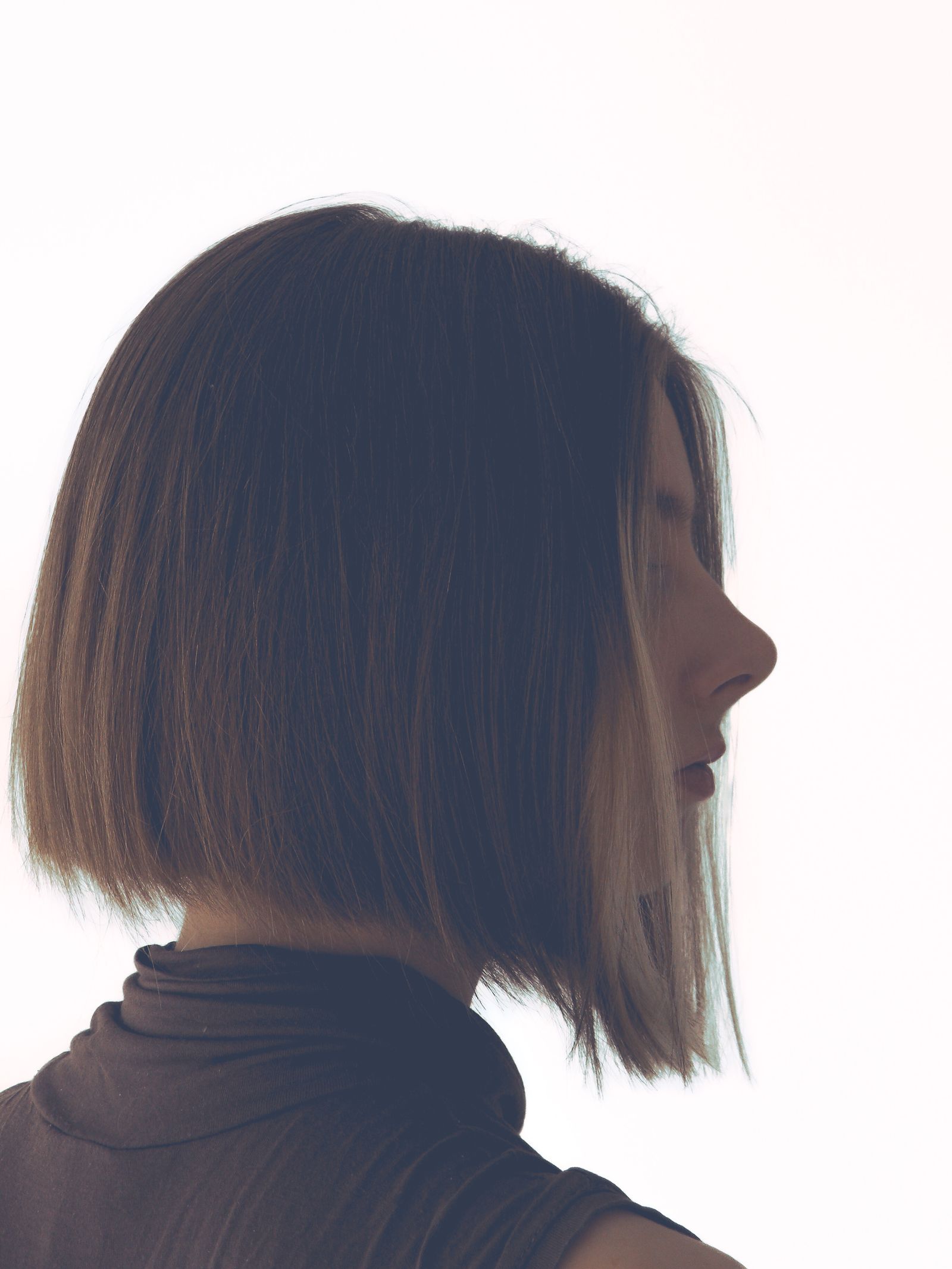
A silhouette tells the truth about a bob. From the side, as in this profile image, you can see the whole architecture at once: where the length lands against the jaw, how full the outline stays, and how clean the line is from crown to ends. The photo shows outline only — no texture, no colour — and that is exactly its job on this list.
Who it suits: Anyone deciding on length. If your jaw or chin is your favourite feature, this profile placement shows it off; if you’d rather soften a strong jawline, ask for the length a fraction longer, just below it.
Styling tip: Screenshot a profile like this one for your stylist, not just front photos. Bob appointments go wrong at the side view far more often than the front.
8. The Sleek Dark Italian Bob

Dark hair is where the Italian bob’s perimeter looks most expensive. In this portrait — short black hair, eyes closed, photographed near the ocean — the shape reads calm and deliberate: no layers interrupting the outline, no styling competing with the setting. It’s the lowest-key version here and one of the most elegant.
Who it suits: Naturally dark, straight to slightly wavy hair, and anyone who wants the shape to do the talking. The blunt, full ends also help dark fine hair look denser.
Styling tip: Shine is the whole routine. A drop of lightweight serum on the ends only — never the roots — keeps dark hair glossy without collapsing the shape.
9. The Wavy Italian Bob

Waves are the Italian bob’s natural partner, because the cut’s full ends give the wave something to swing from. In this indoor portrait the hair is worn in loose, wavy lengths with a simple t-shirt and ring — relaxed, but the outline underneath is still doing its structured job.
Who it suits: Natural waves (roughly loose-to-medium wave patterns) that go flat in longer cuts. The shorter length removes the weight that was pulling your wave out.
Styling tip: Scrunch mousse into damp hair and diffuse on low heat, or air-dry and leave it alone. Brushing a wavy bob dry is how it turns into a triangle — fingers only.
10. The Natural-Texture Italian Bob, Up Close
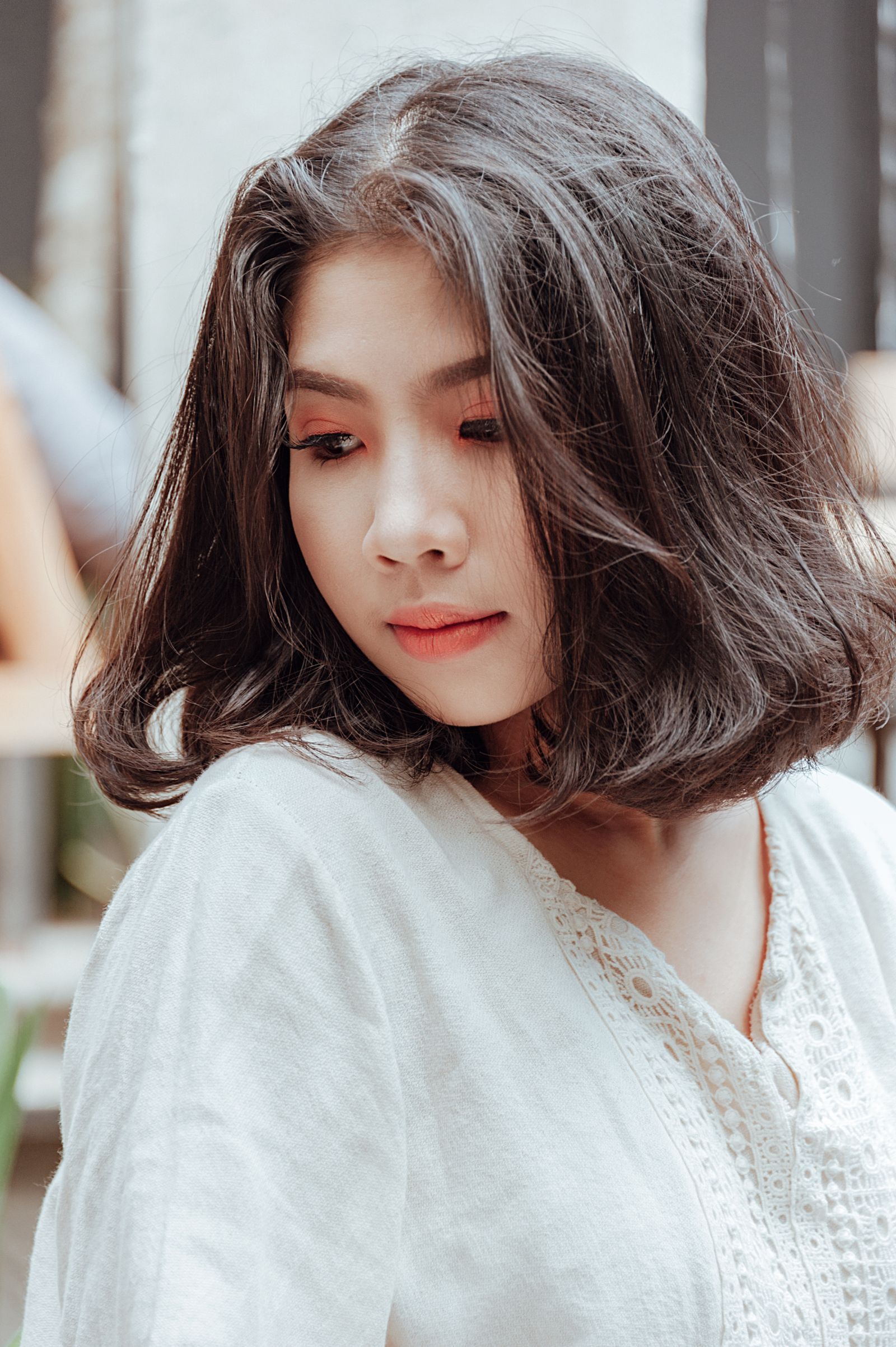
Up close — as in this close-up of short hair with the eyes looking down — the Italian bob is less about glassy perfection and more about how the ends behave. On natural texture, the perimeter won’t fall in one ruler-straight line, and it isn’t supposed to. The fullness is what matters; a soft, lived-in edge is part of the look.
Who it suits: Textured hair that frizzes or fluffs in heavily layered cuts. Keeping the weight low and the layers minimal gives texture a shape to sit inside instead of escaping from.
Styling tip: Moisture before styling, always: leave-in conditioner through the lengths, styling product only on top. Dry ends are what make texture read as damage instead of style.
11. The Cheerful Everyday Italian Bob

Photographed outdoors on stairs, smiling, in a plain dark t-shirt, this is the Italian bob at its most wearable — short bob-length hair, no ceremony, nothing to maintain before leaving the house. If the studio versions feel aspirational, this one is the realistic preview of your Tuesday morning.
Who it suits: Busy, casual lifestyles and medium hair of any texture that behaves. It’s also the easiest version to grow out if you later decide to return to longer hair.
Styling tip: Learn the 60-second refresh: mist with water, re-scrunch or re-smooth with your palms, and flip your part if the crown has gone flat. Day-two Italian bobs usually need direction, not washing.
12. The Curly Italian Bob
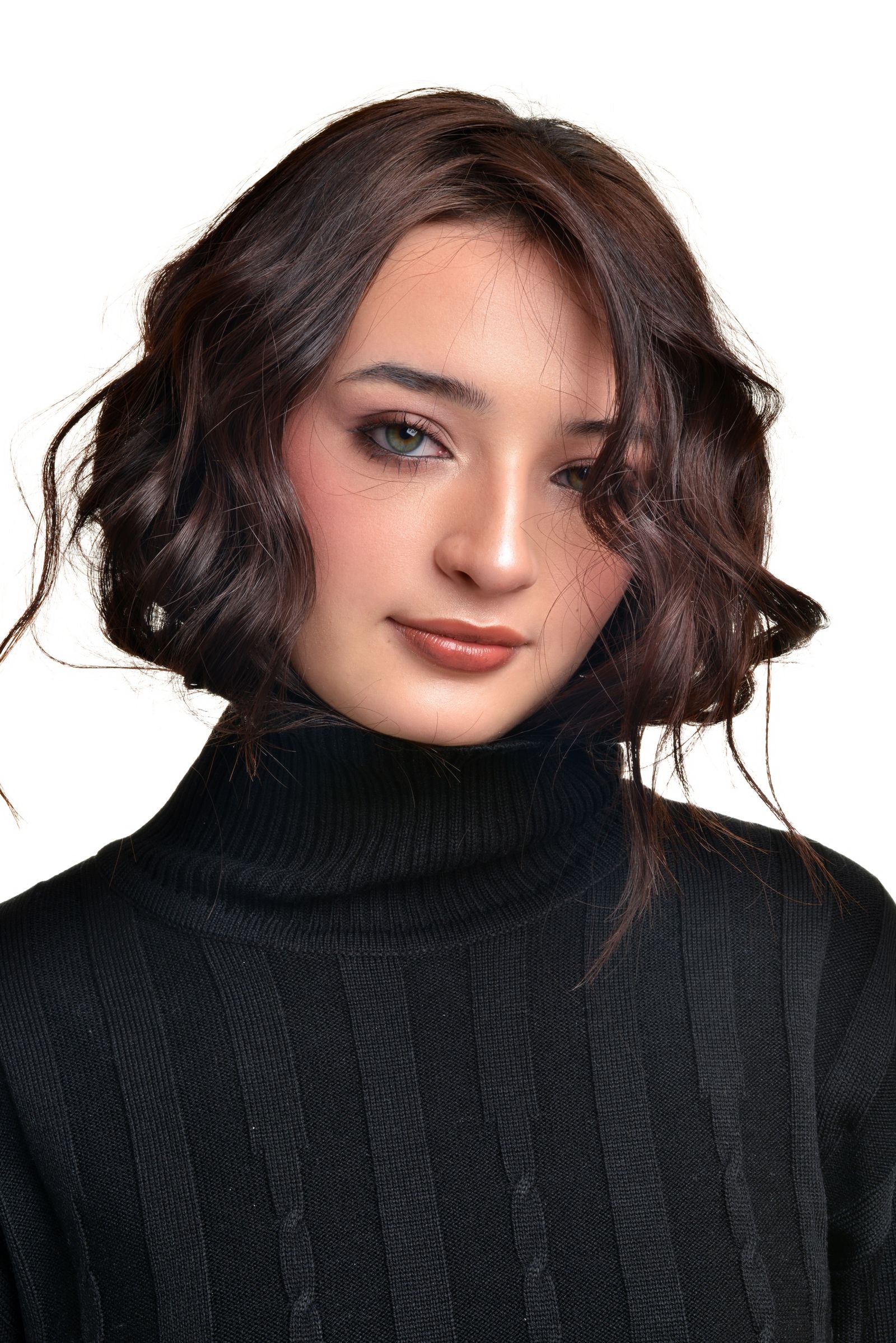
Curls can absolutely wear this cut — the trick is length judgement. In this portrait the curls are worn full in a black turtleneck, and the bob-length outline gives each curl room to complete its pattern instead of being cropped mid-curl. The shape stays rounded and deliberate rather than triangular, because the weight is balanced through the ends.
Who it suits: Wavy-to-curly hair that wants a shorter shape without daily heat. Ask your stylist to cut it dry, or curl by curl, so the finished length is judged in its real, sprung state — curly hair cut wet almost always dries shorter than planned.
Styling tip: Apply curl cream to soaking-wet hair, scrunch, and diffuse on low or air-dry. Refresh on day two with a water mist and a scrunch — never a brush.
13. The Italian Bob in Side Profile
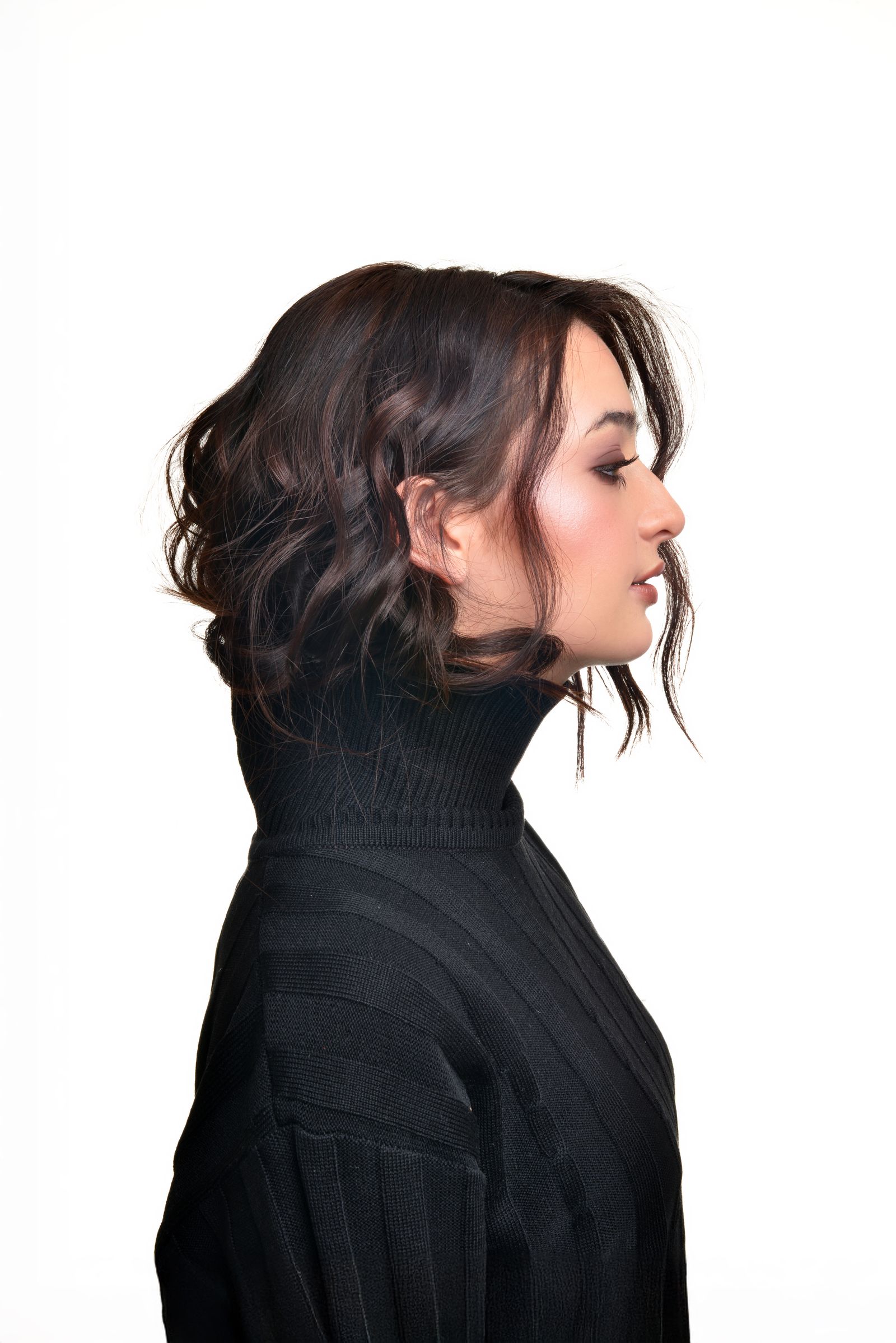
A second profile, this time a clean studio side view against a white background, worn with the same black turtleneck as #12. Use the pair together: the front view shows how the curls frame the face, and this profile shows the part readers most often get wrong — exactly where the ends land against the jaw and neck, and how the back outline falls in one unbroken line.
Who it suits: Readers choosing between chin and just-below-chin length (bring both profile shots to the salon), and curly or wavy hair checking that the back won’t puff out.
Styling tip: However you style the front, leave the back outline alone while it dries. Fussing with the perimeter is what breaks the clean line this profile shows.
14. The Soft Italian Bob by the Window
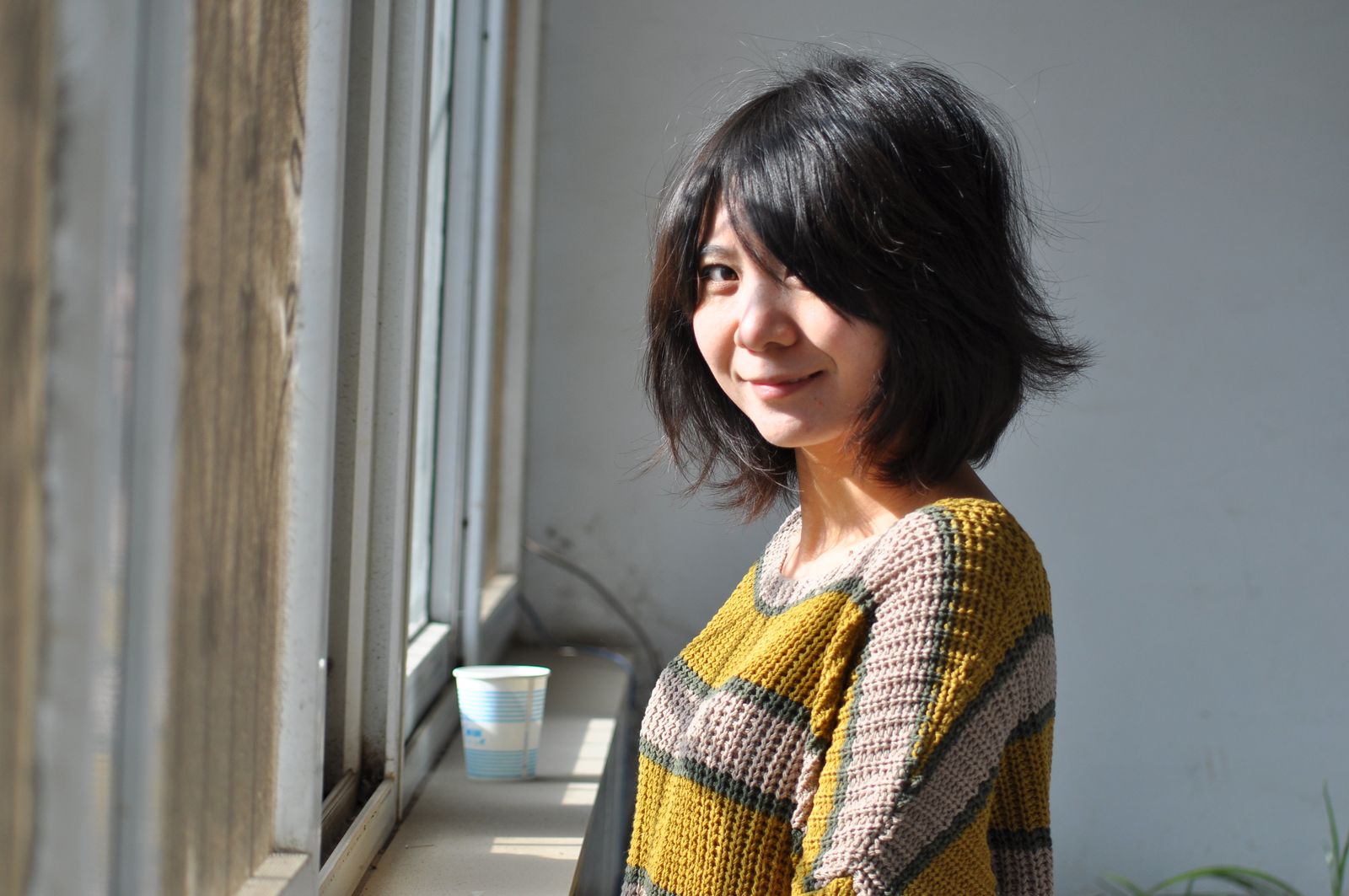
In this window-lit portrait the bob is worn soft and friendly, the wearer smiling in natural indoor light. It’s the gentle end of the Italian family — same chin-length fullness, but styled with a softer finish that suits daytime, work, and anyone who found the sleeker versions a little severe.
Who it suits: Fine to medium hair, and softer personal styles. A side part (an easy experiment with this length) adds lift at the crown if your hair tends to fall flat.
Styling tip: Blow-dry the crown away from your face with a small round brush, then let the ends fall where they want. Crown lift plus relaxed ends is the whole formula here.
15. The Blonde Italian Bob
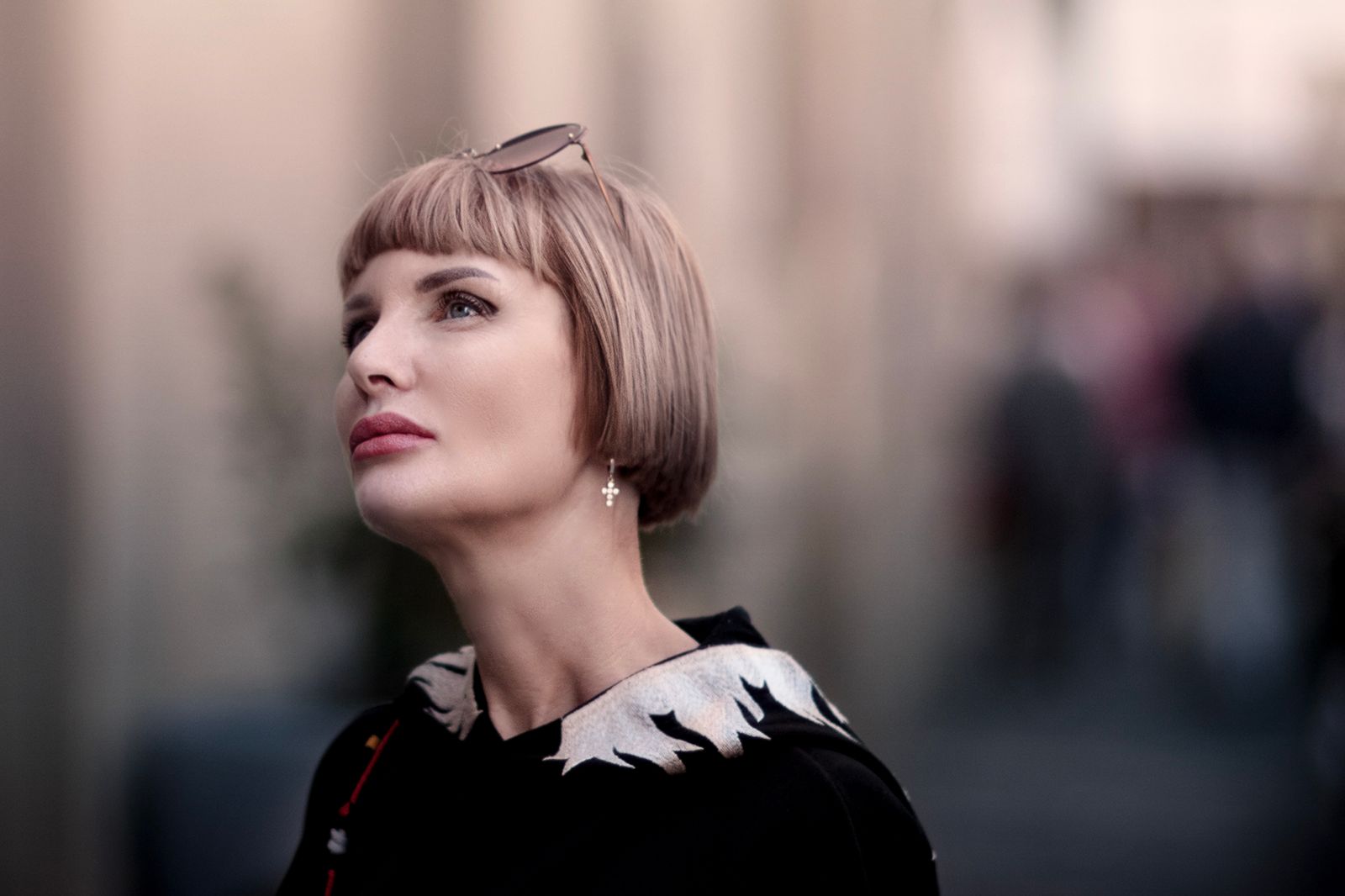
Blonde is the colour that shows this cut’s volume best, because the lighter shade reveals every bit of fullness at the ends. In this outdoor city portrait the blonde bob is worn with sunglasses pushed up — polished, confident, and unmistakably styled, even though the actual routine behind it is simple.
Who it suits: Blonde and lightened hair of fine to medium density; the heavy perimeter is precisely what stops blonde hair from looking thin at the ends. If you’re also weighing up shorter and more layered, compare it with the bixie versions in the guide linked in the explainer above.
Styling tip: Lightened hair plus daily heat is the fast route to breakage at exactly the ends this cut shows off. Use heat protection every time, and keep the flat iron for the front sections only.
How to Style and Maintain an Italian Bob
- Respect the trim cycle. The perimeter is the style, so it needs refreshing about every 6–8 weeks. An overdue Italian bob doesn’t look messy — it looks like a longer, heavier bob, which is your sign.
- Dry for volume at the ends, not the crown. Unlike layered cuts, this one wants fullness low. Blow-dry downward and inward, and use root volumiser sparingly — too much lift on top fights the silhouette.
- Choose one finish per day. Sleek (paddle brush + tension) or tousled (mousse + scrunch). Trying to do both is what produces the in-between frizz most people blame on the cut.
- Protect the ends. They’re the oldest hair and the most visible part of this shape. A weekly mask and heat protection keep them dense-looking — our full routine is in the hair care guide.
- If your hair is thick, say so at the consultation. Thick hair can need subtle internal weight removal so the perimeter sits close instead of flaring — the same density logic covered in our low-maintenance short hairstyles for thick hair.
FAQ
What is the difference between an Italian bob and a French bob?
Length and finish. A French bob is usually cut a little shorter — around the jaw or above — often with a fringe, and worn more undone. An Italian bob sits at the chin or just below, keeps more weight and fullness at the ends, and is styled with more volume and polish.
Is an Italian bob good for fine hair?
Yes — it’s one of the better bobs for fine hair, because the heavy, blunt-ish ends create the look of thickness and the chin length stops fine hair from separating into strings. Avoid heavy layering, which removes exactly the weight this cut depends on.
Does an Italian bob work on thick hair?
It does, with one adjustment: your stylist may remove some weight internally (not with visible layers) so the perimeter lies close rather than puffing out. Versions #4 and #8 on this list show the dressed, controlled finish thick hair should aim for.
How often does an Italian bob need trimming?
Typically every 6–8 weeks to keep the perimeter clean and the length at the chin or jaw. Because the shape grows out in one piece, it degrades gracefully — an overdue trim looks like a slightly longer bob, not a failed haircut.
Can you wear an Italian bob if your hair is curly?
Yes. Keep the finished length a little longer than the straight versions to allow for shrinkage, and have it cut dry or curl-by-curl. Version #12 shows the shape: full, rounded, and styled with cream and scrunching rather than heat.
The Bottom Line
The Italian bob is the answer for readers who want short hair that still feels like hair — full, swingy, and deliberate, with an outline that does the work so your mornings don’t have to. Pick your version by texture first (wavy #9, curly #12, fine #3), finish second (sleek #8, soft #14, dressed-up #4), and colour last — then show your stylist the front and the profile.
📌 Found your Italian bob? Save this to your short hair board on Pinterest so it’s in your hand at the salon. For more short-hair inspiration, see our women’s hairstyles roundup for every length and our dedicated bixie haircut ideas if you’re tempted to go shorter and more layered.
Keep Exploring
15 Trendy Bixie Haircut Ideas You Need to Try in 2026
15 Curtain Bangs for Round Faces That Actually Flatter
Women’s Hairstyles


