16 Best Haircuts for Curly Hair That Actually Work With Your Curls (2026 Guide)
Curly hair doesn’t need to be tamed. It needs to be understood. Every curl pattern — from loose waves to tight coils — has its own physics: shrinkage, volume distribution, frizz triggers, and the eternal question of how short is too short.
The wrong cut turns curls into a triangle. The right cut turns them into the best feature you have. The difference is almost never the curls themselves — it’s whether the cut was designed for texture or fought against it.
Here are 16 haircuts built for curly hair, organized by length, with honest guidance on curl types, styling, and what to tell your stylist.

Quick Answer
The best haircuts for curly hair use layers to distribute volume, avoid blunt cuts that create triangle shapes, and are cut dry or on natural texture when possible. Long layers, curly shags, and Deva-style cuts work for most curl types; the key is a stylist who specializes in curls.
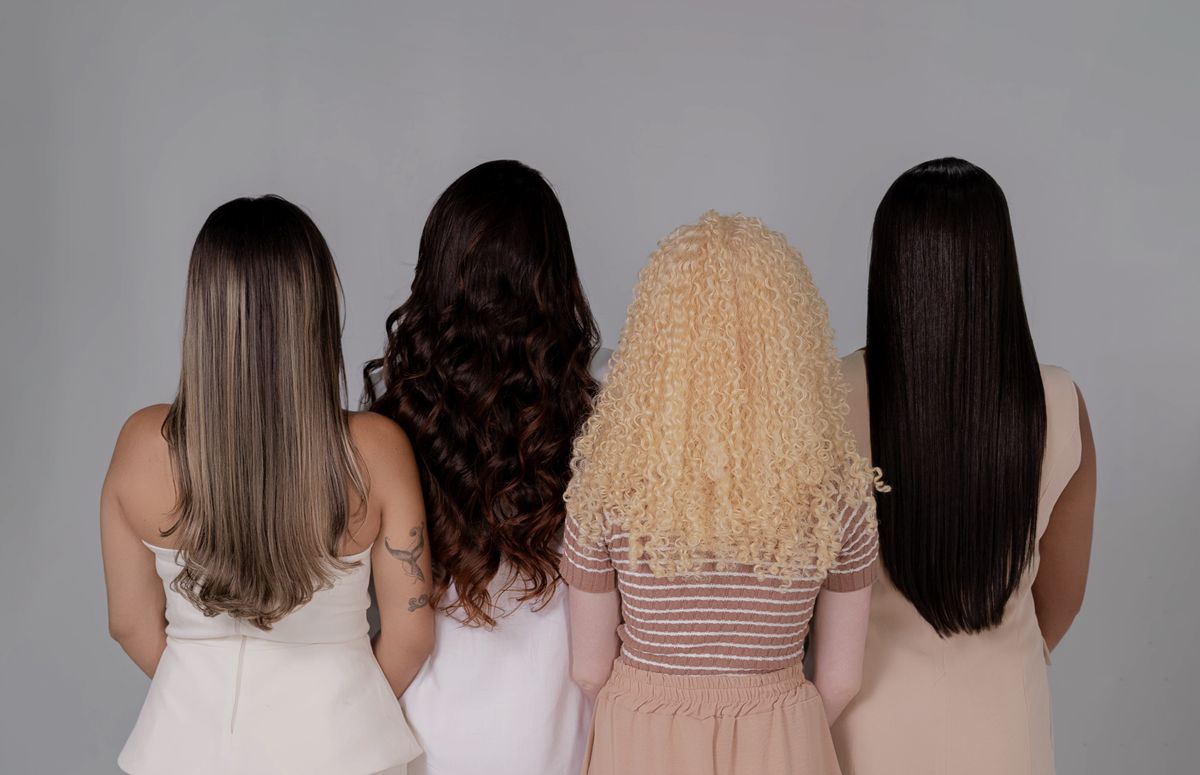
Find your curl type first: Type 2 (wavy), Type 3 (curly — ringlets), Type 4 (coily — tight curls/kinks). Most guidance below notes which types each cut suits.
The Curly Hair Cutting Rules
Before the cuts, the principles every good curly cut follows:
- Layers distribute volume. One-length curly hair = triangle. Layers move volume up and out where it belongs.
- Dry cutting > wet cutting for curls. Hair shrinks 30–50% when dry; cutting wet is guesswork. Ask if your stylist dry-cuts.
- Never thin curly hair with thinning shears. It creates frizz, not shape. Weight should be removed through layering, not thinning.
- Length is weight, weight is control. Longer curly hair often behaves better than short — gravity is a styling product.
- The consultation matters more than the cut. A curl specialist asks about your routine, shrinkage, and goals before touching scissors.
Long Curly Cuts
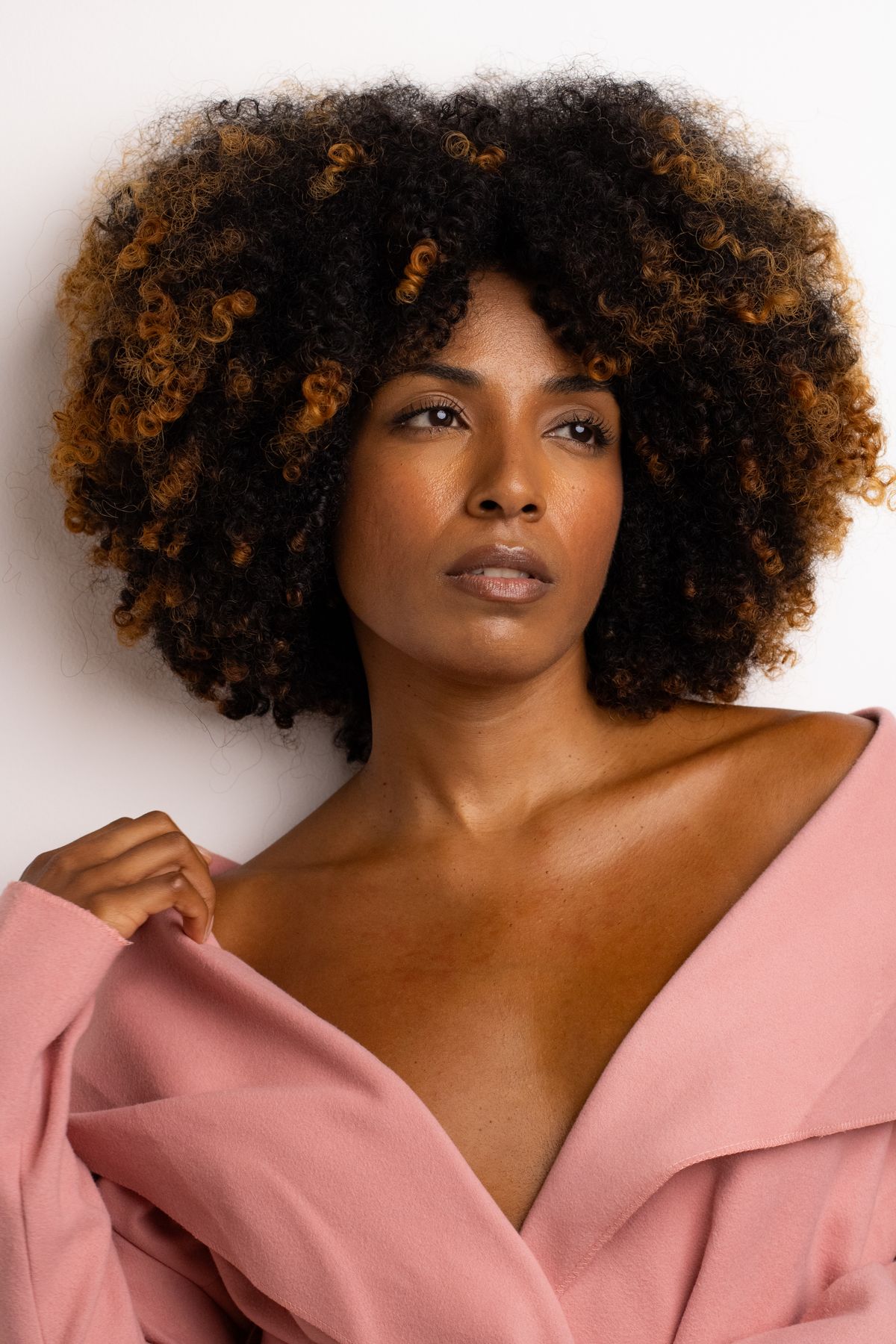
1. Long Layers (The Foundation)
Long, blended layers through the mid-lengths and ends. This is the baseline great curly cut — it removes the triangle, adds movement, and works on every curl type from 2C to 4A.
Tell your stylist: “Long layers, keep the length, I want movement not bulk at the bottom.”
Why it works: The most forgiving curly cut. Grows out beautifully.
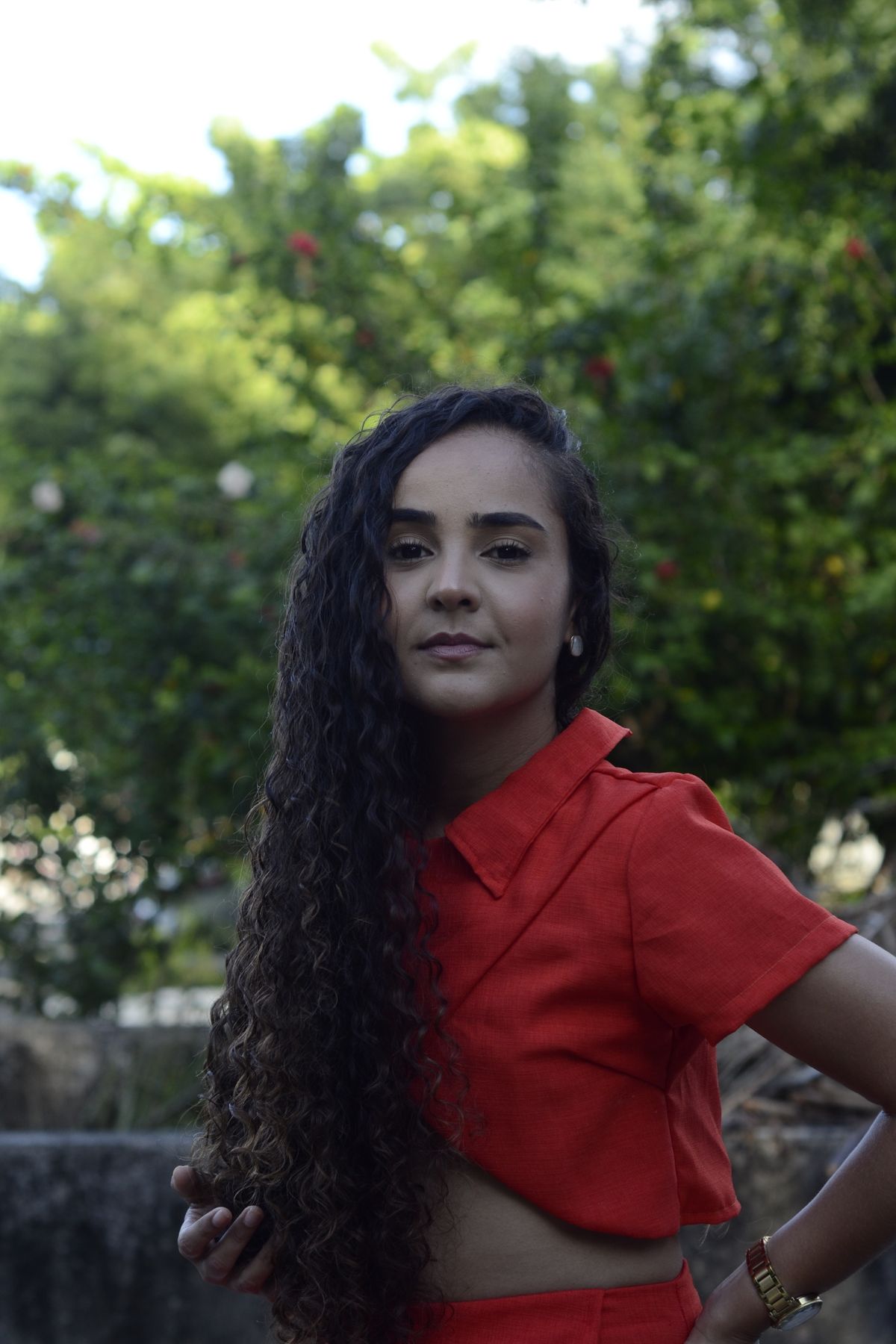
2. Curly Shag
Layers everywhere — crown, mid-lengths, face-framing pieces — with curtain bangs or a fringe. The shag is the cool-girl curly cut: volume, texture, and effortless edge.
Best for: Type 2C–3C. Needs enough density to support the layers.
Styling: Diffuse upside down for maximum volume. This cut wants to be big.
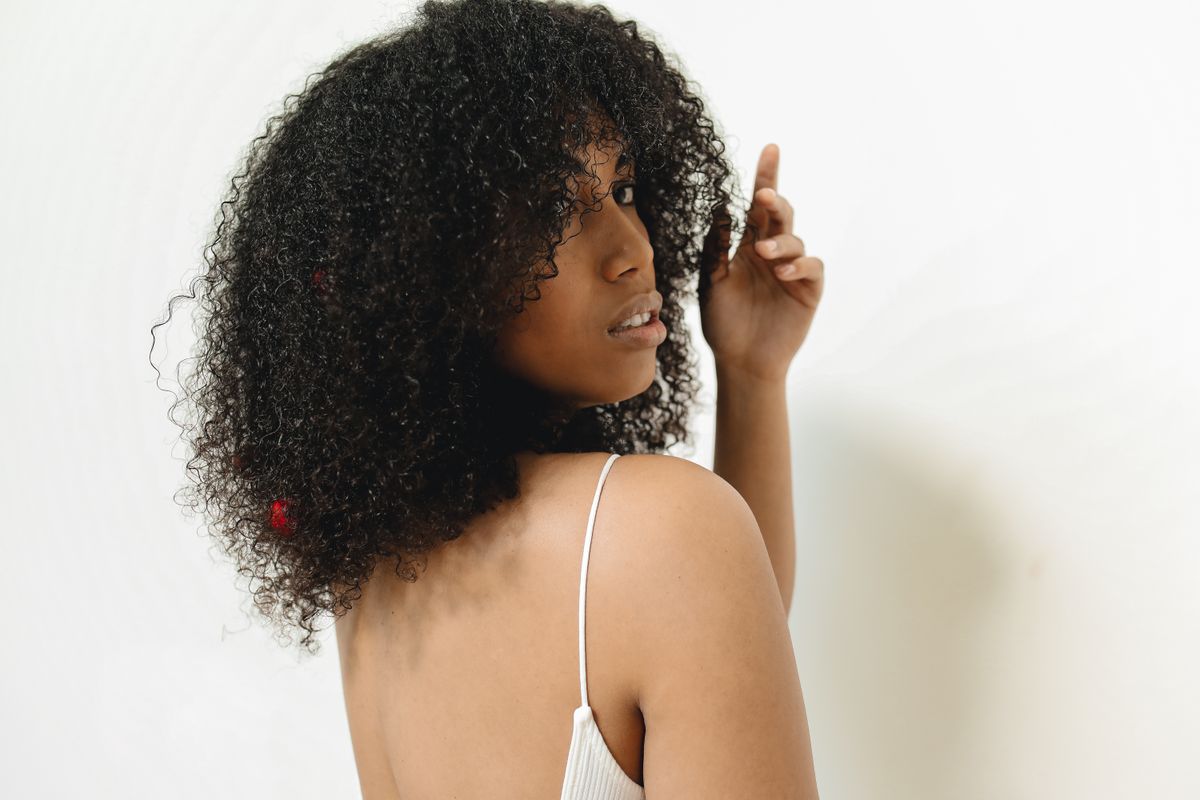
3. V-Cut / U-Cut
The perimeter is cut in a V or U shape rather than straight across, keeping length while removing bottom bulk. Beautiful on very long curly hair that gets heavy.
4. Face-Framing Layers
Shorter pieces around the face (chin to collarbone), longer in back. Face-framing layers slim round faces, soften strong jawlines, and keep curls from hiding your features.
Medium Curly Cuts
5. Curly Lob
The long bob on curls — collarbone length with layers. The curly lob is chic, manageable, and shows off curl definition beautifully.
Length warning: Curls shrink. A lob that looks collarbone-length wet may sit at chin-length dry. Discuss shrinkage with your stylist.

6. Rounded Bob
A bob cut in a rounded shape that follows the head, with internal layers for volume distribution. On curls, the rounded bob is a statement — bold, graphic, gorgeous.
Best for: Type 3A–3C with medium density. Very fine curls may look thin in this shape.

7. Curly Shaggy Bob
Shorter than the lob, messier than the rounded bob. Choppy layers, piece-y ends, lived-in texture. The lowest-effort medium cut for curls.
8. Wolf Cut (Curly Version)
The TikTok-famous wolf cut — heavy crown layers, thinner ends — actually originated for texture. On curly hair, it’s a mullet-shag hybrid that looks intentional and cool.
Honest take: High-maintenance grow-out. Commit or skip.
Short Curly Cuts
9. Curly Pixie
Short, textured, fearless. The curly pixie works when the top has enough length for curls to form (at least 2–3 inches) with tapered sides.
Best for: Type 3B–4C. Tight curls hold pixie shapes beautifully.

10. Tapered Cut (TWA — Teeny Weeny Afro)
For type 4 hair: tapered sides and back with length on top. Clean, sharp, and celebrates natural texture.
Find a barber or stylist experienced with type 4 hair. This matters enormously.
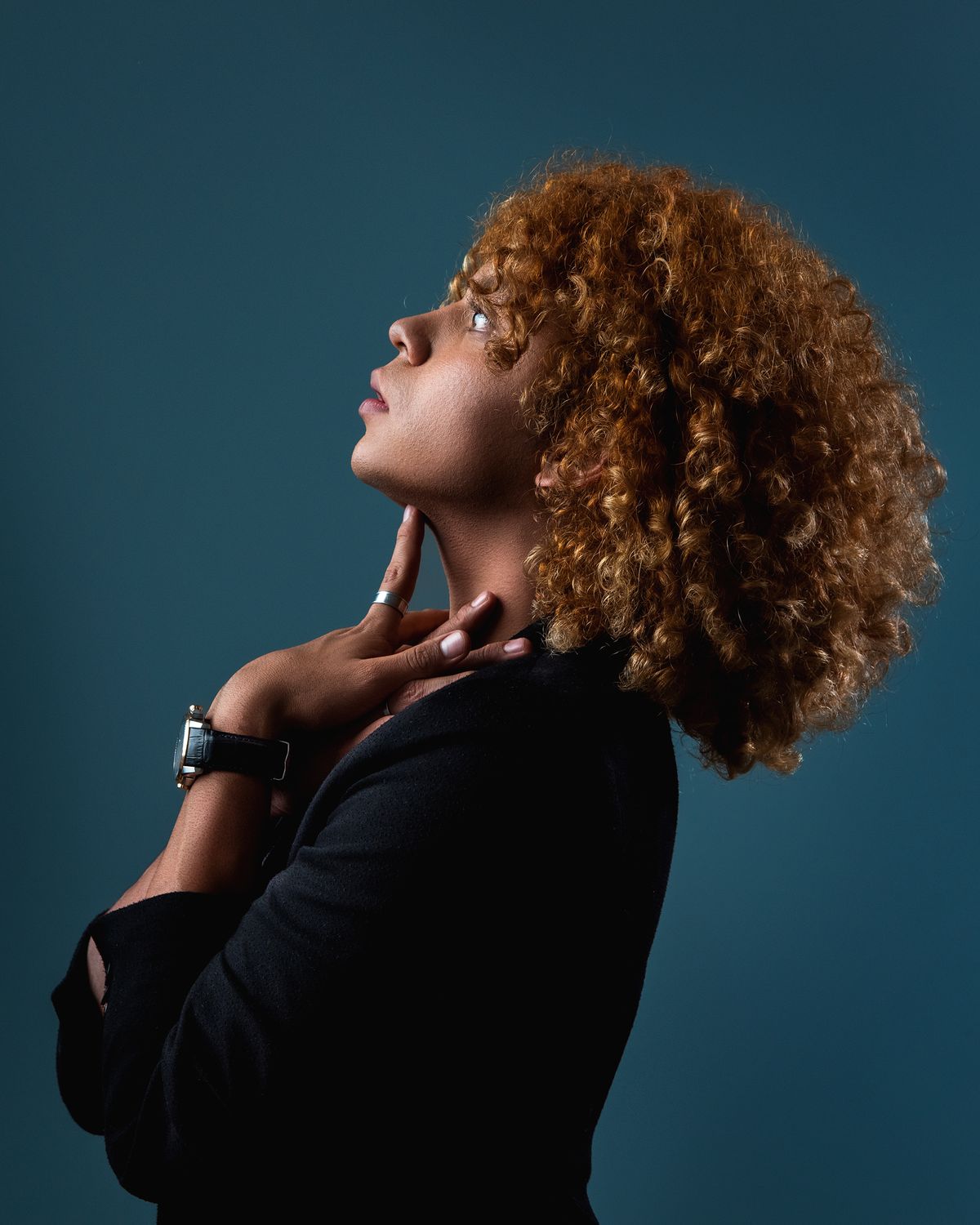
11. Curly Fro / Rounded Afro
The iconic shape — picked out into a rounded silhouette. The modern fro is shaped, moisturized, and intentional, not just “grown out.”
Maintenance: Regular shaping trims (every 8–12 weeks) keep the silhouette sharp.

12. Curly Fringe + Short Cut
Bangs on curly hair — yes, really. A curly fringe with a short cut (bob or pixie length) is playful and face-framing.
Rule: Cut curly bangs dry, and cut them longer than you think. Shrinkage is real.

Specialty Cuts
13. Deva Cut
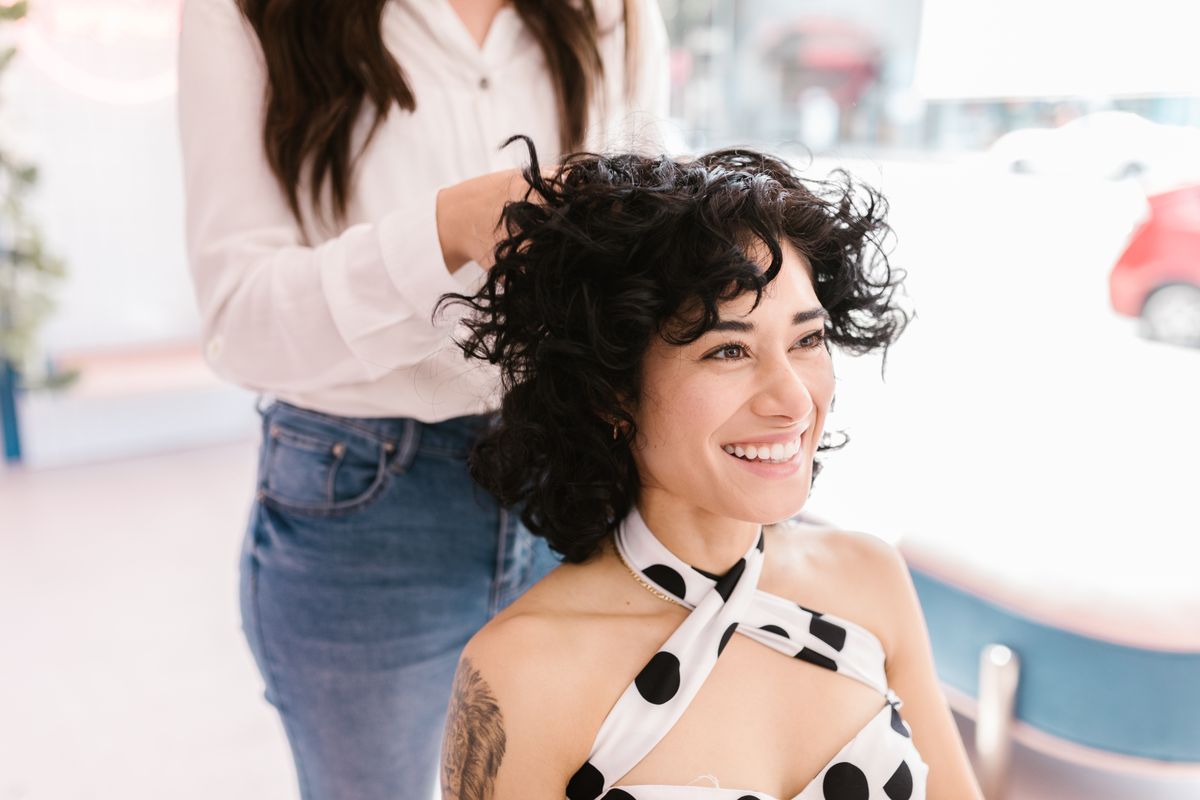
The curl-by-curl dry cutting method. Each curl is cut individually in its natural dry state — no surprises, no shrinkage guesswork.
Best for: Anyone who’s been burned by wet cuts. Worth seeking out a certified Deva stylist.
14. Rezo Cut
A dry-cutting technique focused on maintaining length and volume while creating shape — popular for dense type 3–4 hair that needs volume control without losing length.
15. Curly Curtain Bangs
Curtain bangs adapted for curls — longer, wispier, cut dry. They frame the face without the blunt-fringe commitment.
16. Big Chop (Transition Cut)
For those transitioning from relaxed to natural: cutting off the relaxed ends and starting fresh. It’s a journey, not just a haircut — and the curl community is incredibly supportive.
What to Tell Your Stylist (Curly Script)
“My curls are type [2/3/4][A/B/C]. My biggest issues are [frizz/triangle/shrinkage/volume]. I [diffuse/air-dry] and wash [frequency]. I want [length goal]. Do you cut curls dry?”
Red flags: A stylist who reaches for thinning shears, wants to blow you out “to see the real length” before cutting, or has no curly-haired clients in their portfolio.
Curly Styling Essentials
- Style soaking wet. Product goes on dripping-wet hair, not damp. This is the #1 technique difference.
- Squish to condish. Scrunching conditioner and product upward encourages curl formation.
- Microfiber or cotton T-shirt — never terry cloth towels. They create frizz.
- Diffuse or air-dry. Diffusing on low heat adds volume; air-drying preserves definition.
- Pineapple at night. Loose high ponytail preserves curls overnight. Silk pillowcase helps too.
Frequently Asked Questions
Should curly hair be cut wet or dry?
Dry (or on stretched natural texture) whenever possible. Wet cutting can’t account for shrinkage, which varies curl by curl.
How often should curly hair be trimmed?
Every 3–4 months for most curl types. Curly hair shows damage less visibly, so people stretch too long — but split ends travel.
Can I get bangs with curly hair?
Yes — curly bangs are gorgeous. Cut them dry, cut them long, and accept that they’ll never look like the straight-hair reference photo (they’ll look better).
Why does my curly hair look like a triangle?
One-length cutting with no layers. The fix is always layers — they move volume from the bottom to the crown and sides.
What’s the best haircut for frizzy curly hair?
Frizz is usually a moisture/technique issue, not a cut issue — but long layers with face-framing pieces minimize its visual impact while you fix the routine.
Final Thoughts
The best haircut for curly hair is the one cut by someone who understands curls. Technique beats trend, every time. Find the specialist, learn your curl type, and stop fighting the texture — it’s the best thing about your hair.
