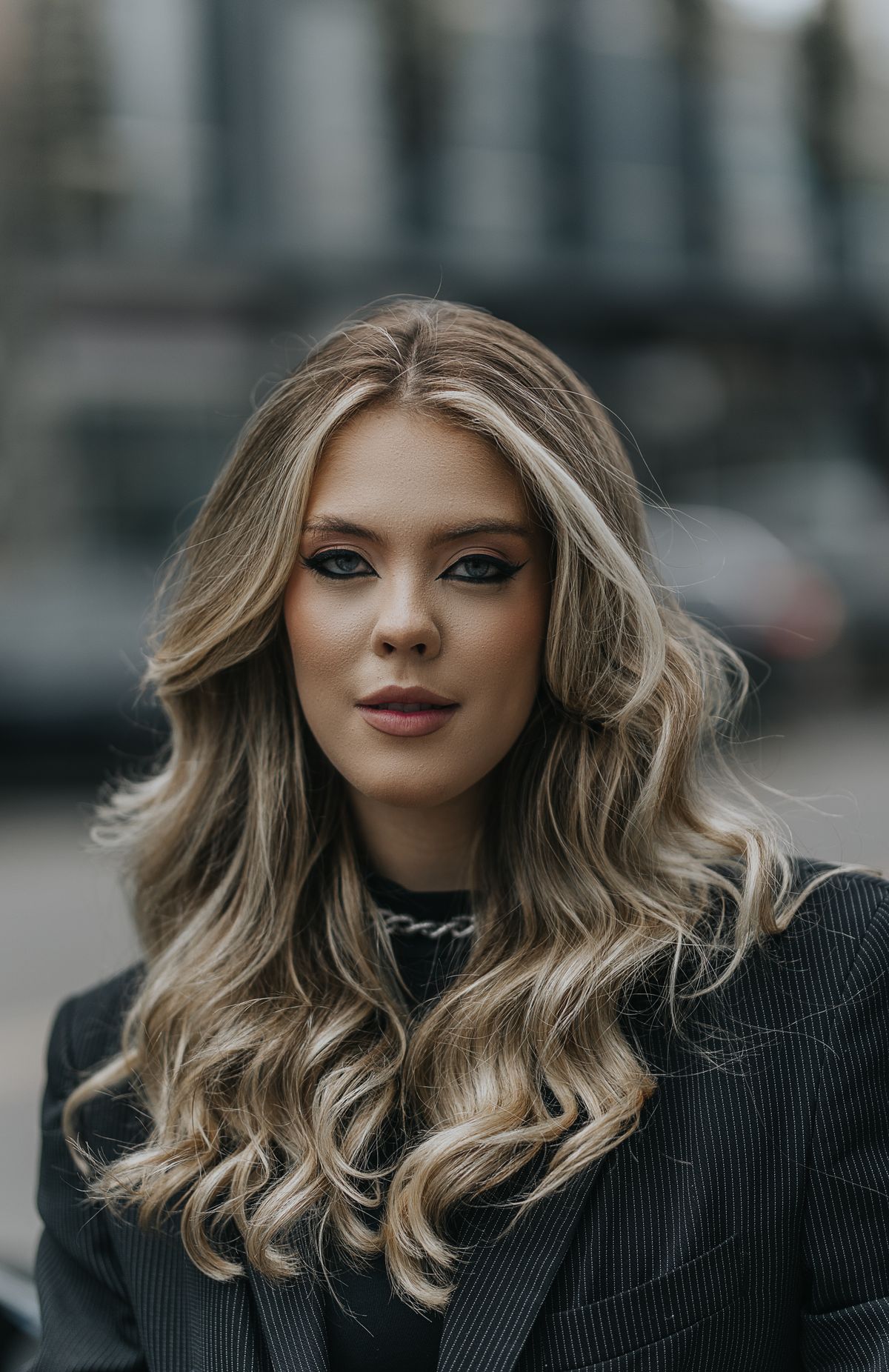
22 Stunning Balayage Hair Color Ideas for 2026 (With Skin Tone Guide)
Balayage isn’t a color — it’s a technique. And it’s the reason half the heads on your Pinterest feed look effortlessly sun-kissed. Unlike traditional highlights with their harsh grow-out lines, balayage is hand-painted, soft at the roots, and grows out so gracefully you’ll forget when your last appointment was.
But “balayage” covers everything from barely-there babylights to dramatic blonde transformations. The difference between balayage you love and balayage you regret usually comes down to two things: choosing the right shade for your skin tone, and finding a colorist who actually specializes in the technique.
This guide covers 22 balayage ideas across every shade family, with honest guidance on who each suits, maintenance reality, and what to ask for at the salon.
Quick Answer
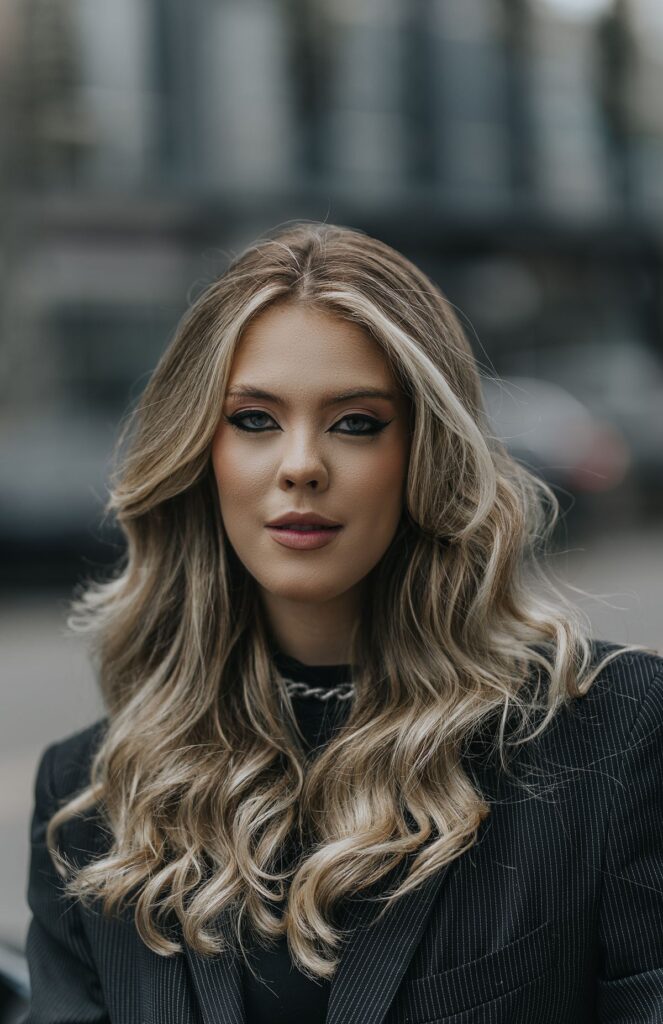
Balayage is a hand-painted highlighting technique that creates soft, natural-looking dimension with no harsh grow-out line. The best balayage shade depends on your skin’s undertone: warm undertones glow with caramel, honey, and golden tones; cool undertones shine with ash, platinum, and cool browns; neutral undertones can wear almost anything.
Know Your Undertone First
Before picking any shade below, determine your undertone — it matters more than your skin’s lightness or darkness:
- Warm: Veins look green, gold jewelry flatters you, you tan easily. Best: caramel, honey, golden blonde, copper, warm chocolate.
- Cool: Veins look blue/purple, silver jewelry flatters you, you burn before you tan. Best: ash blonde, platinum, cool brown, espresso, burgundy.
- Neutral: Mix of both, both metals look fine. Best: almost anything — you’re the lucky one.
The #1 balayage mistake: Choosing a shade because it looked good on someone with the opposite undertone. The same caramel balayage glows on warm skin and can look brassy on cool skin.

Blonde Balayage Ideas
1. Honey Blonde Balayage
Warm, golden, glowing — honey blonde balayage is the most universally flattering blonde. The golden tones add warmth to the complexion, making skin look healthy and radiant.
Best for: Warm and neutral undertones, medium to dark natural bases. Gorgeous on long layered hair.
Maintenance: Medium. Toner refresh every 6–8 weeks; full balayage every 3–4 months.
2. Ash Blonde Balayage
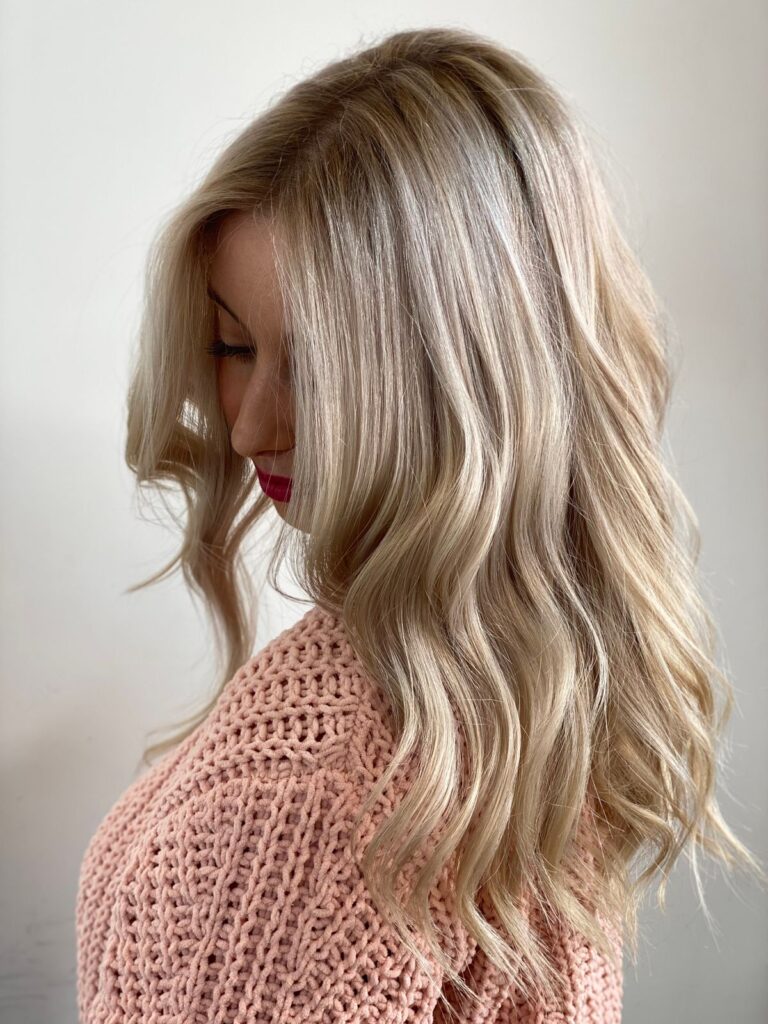
Cool, smoky, expensive-looking. Ash blonde balayage is the answer for cool undertones who want blonde without brassiness.
Best for: Cool undertones, naturally dark blonde to light brown hair.
Warning: Ash tones fade fastest and need purple shampoo discipline. If you won’t tone at home, pick something warmer.

3. Platinum Balayage (Rooted)
Not a full platinum bleach-out — a rooted platinum balayage keeps your natural root for grow-out ease while the mids and ends go bright. All the impact, half the maintenance of a global bleach.
Best for: Cool undertones, commitment-phobes who want drama without 4-week root appointments.
4. Beige Blonde Balayage
The “my hair but better” blonde. Beige sits between warm and cool — not golden, not ashy — making it the safest blonde for neutral undertones.
Why colorists love it: It photographs beautifully and works across seasons.
5. Strawberry Blonde Balayage
Copper meets blonde. Strawberry blonde balayage is having a major moment — it’s distinctive without being costume-y, and it makes green and hazel eyes pop dramatically.
Best for: Warm undertones, fair to medium skin. Absolutely stunning on wavy textures.
Brunette Balayage Ideas
6. Caramel Balayage on Dark Brown Hair
The classic for a reason. Ribbons of caramel through dark brown hair create dimension that makes the base color look richer, not lighter. It’s the lowest-commitment balayage that still reads as a transformation.
Best for: Warm undertones, dark brown to black natural hair. The grow-out is nearly invisible.

7. Chocolate Balayage
Tone-on-tone richness: milk-chocolate and cocoa ribbons through a dark chocolate base. Subtle in indoor light, dimensional in sunlight.
Best for: Anyone who wants dimension without looking “highlighted.” Perfect first balayage.
8. Espresso Balayage with Cool Tones
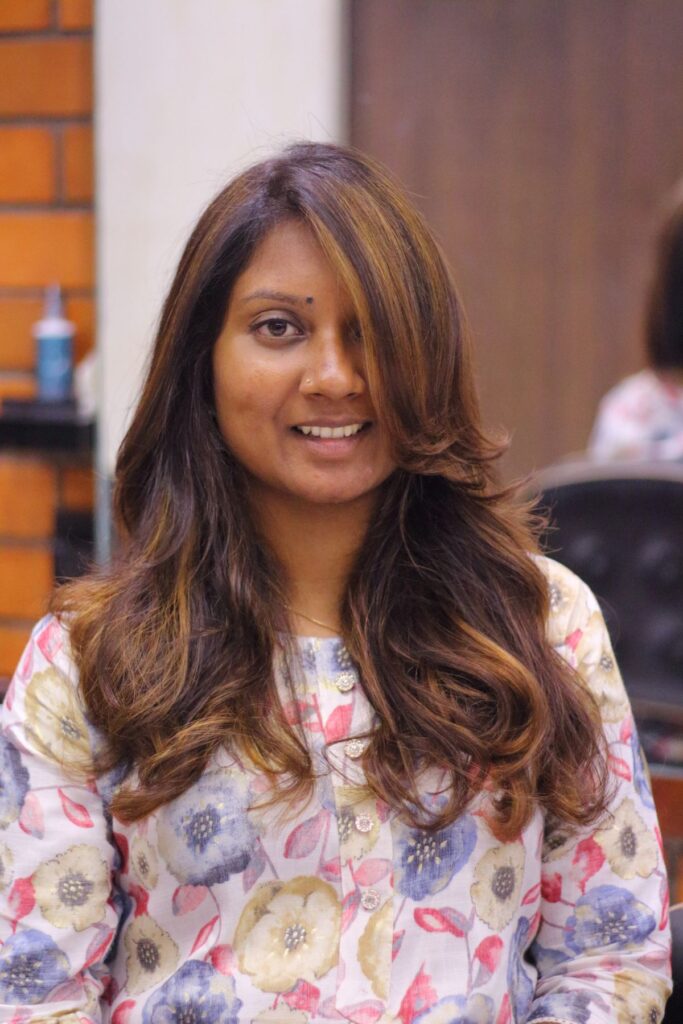
Deep espresso base with cool mocha ribbons. Moody, rich, expensive-looking — the brunette answer to ash blonde.
Best for: Cool undertones with dark hair who find warm balayage goes brassy.
9. Toffee Balayage
Sweeter and lighter than caramel, toffee balayage sits between blonde and brunette. It’s the “I want to go lighter but I’m scared” shade — and it works.
Maintenance: Low-medium. The soft grow-out means 4–6 months between appointments.
Red & Copper Balayage Ideas
10. Copper Balayage
Fiery, vibrant, unmissable. Copper balayage on a brunette base is one of 2026’s biggest color trends — it catches light like nothing else.
Reality check: Reds fade fastest of all colors. Expect to refresh every 4–6 weeks, and use color-safe, sulfate-free products religiously.

11. Auburn Balayage
Deeper and more wearable than copper — auburn balayage blends red into brown for a rich, autumnal effect that works year-round.
Best for: Warm undertones, medium skin tones. Makes brown eyes look extraordinary.
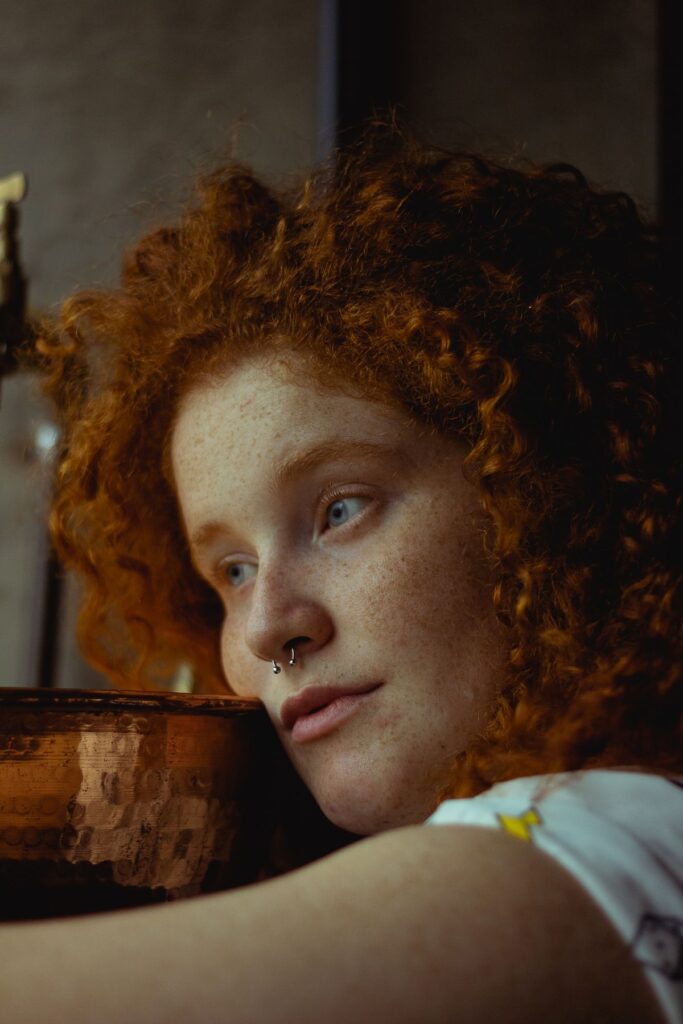
12. Rose Gold Balayage
Pink-meets-blonde, kept soft and wearable. Rose gold balayage is playful but the balayage technique keeps it sophisticated — no harsh lines, just a rosy glow through the ends.
Best for: Fair to medium cool/neutral undertones. A fun second-bayalage for blondes.

Bold & Creative Balayage Ideas
13. Burgundy Balayage
Wine-red ribbons through dark hair. Burgundy balayage is bold but office-appropriate — it reads as “rich color” rather than “fashion color” in most lighting.
14. Silver/Gray Balayage
The granny-hair trend matured into something genuinely chic. Silver balayage on a dark base, done with smoky toner, looks futuristic and striking.
Maintenance: High. Silver toner washes out in 2–3 weeks; this is a salon-regular color.
15. Peekaboo Balayage
Color hidden underneath the top layer — visible when hair moves, subtle when still. Peekaboo balayage in bold shades (blue, purple, red) is the commitment-phobe’s fashion color.

Balayage for Short Hair
16. Bob Balayage
Balayage isn’t just for long hair. On a bob, hand-painted pieces create dimension that makes the cut look thicker and more expensive.
Key: With less hair to work with, placement matters more. Find a colorist experienced with short-hair balayage specifically.
17. Pixie Balayage
Strategic lightness on top of a pixie — around the crown and fringe — adds dimension to short cuts that can otherwise look flat in photos.
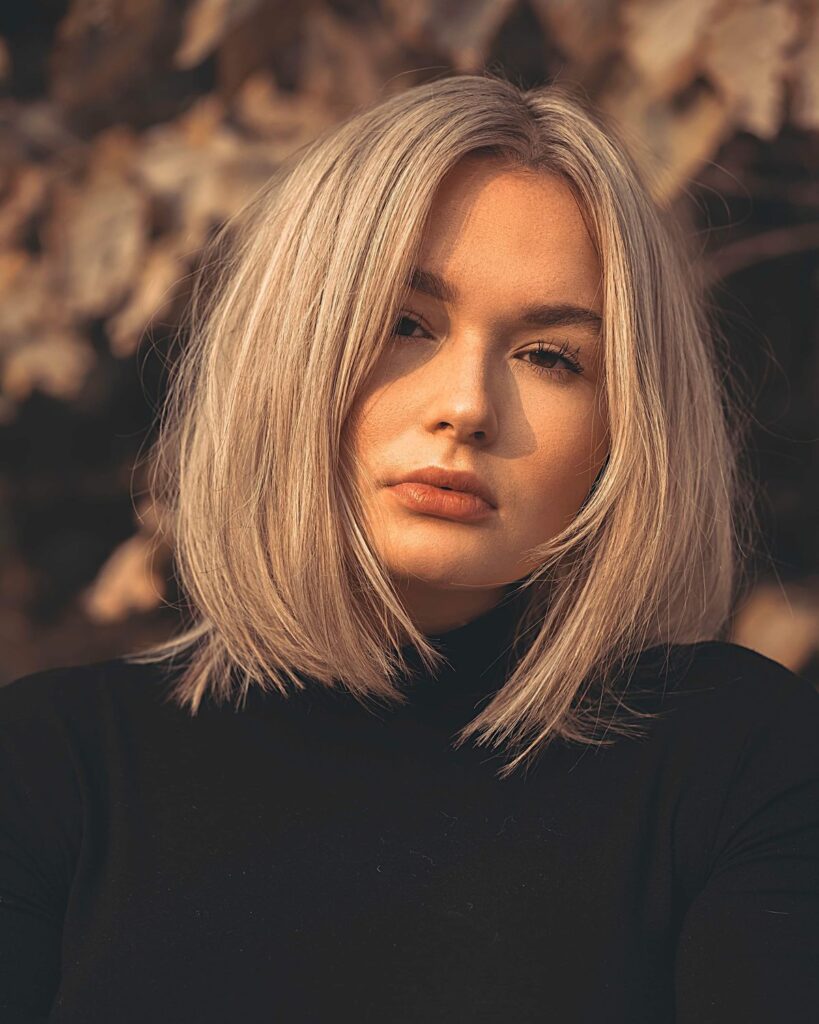
18. Lob Balayage
The lob + balayage combination is Pinterest’s most-saved pairing for a reason. Shoulder-length hair shows off the gradient beautifully.
Low-Maintenance Balayage Ideas
19. Lived-In Balayage
The grow-out IS the look. Lived-in balayage starts the lightness lower (mid-shaft instead of near the root), so regrowth blends seamlessly. Some clients go 6–8 months between appointments.
Best for: Anyone who hates salon maintenance. This is the “set it and forget it” balayage.
20. Money Piece Balayage
Bright face-framing pieces + soft balayage through the rest. The money piece gives maximum impact around the face with minimal overall lightening — less damage, less cost, less time.
21. Reverse Balayage
Adding depth back into over-lightened hair. Reverse balayage paints lowlights and root shadow over blonde, creating dimension and giving damaged hair a break.
Best for: Recovering bleach addicts. It’s the reset button for fried hair.
22. Babylights Balayage
Ultra-fine, subtle lightness mimicking children’s sun-kissed hair. Babylights balayage is the most natural-looking option — people will think you just got back from vacation.
What to Ask For at the Salon (Script)
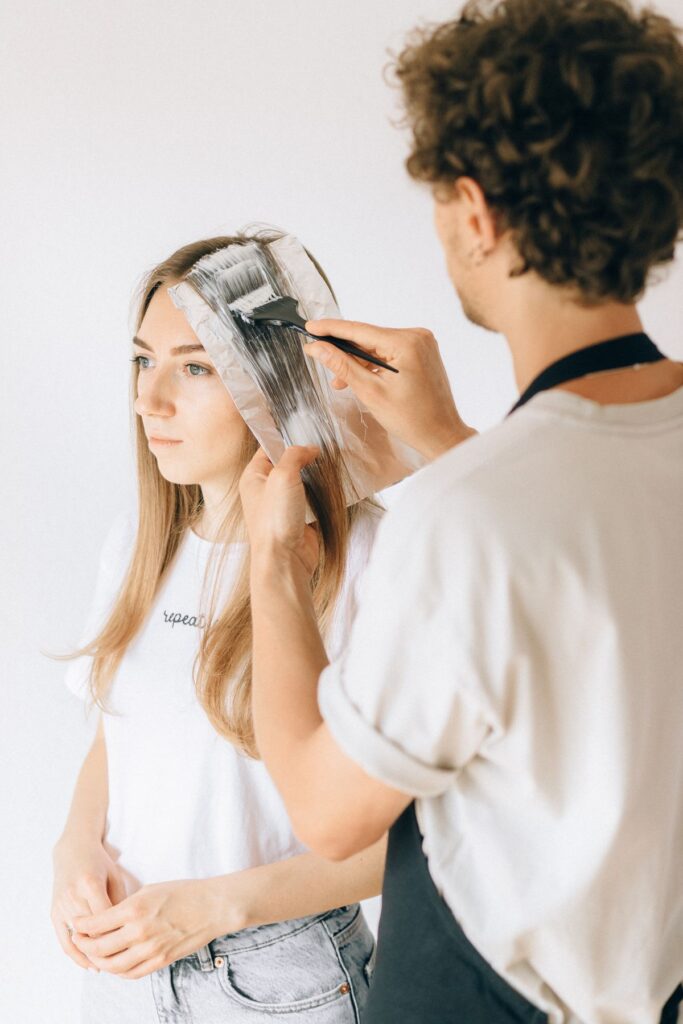
“I want balayage — hand-painted, soft grow-out. My natural base is [color], my undertone is [warm/cool/neutral], and I like [these photos]. I want [low/medium] maintenance. Can you show me what grow-out will look like at 3 months?”
Red flags: A colorist who pushes full foils when you asked for balayage, won’t discuss maintenance, or has no balayage photos in their portfolio. Balayage is a specialty — verify before you sit down.
Balayage Maintenance Bible
- Sulfate-free shampoo, always. Sulfates strip color. This is non-negotiable.
- Purple shampoo for blondes (1–2x/week, not daily — it dries hair out).
- Blue shampoo for brunettes fighting brassiness.
- Toner refresh every 6–8 weeks between full appointments.
- Heat protectant every time you use hot tools — heat fades color fast.
- Cold/lukewarm rinses. Hot water opens the cuticle and lets color escape.
Frequently Asked Questions
How much does balayage cost?
$150–$400+ depending on your market, hair length, and the colorist’s experience. Major metros run higher. It’s more expensive than foils upfront but cheaper over time due to low maintenance.
Does balayage damage hair?
Less than traditional highlights or full bleach — but it’s still lightener on hair. The grow-out-friendly nature means fewer appointments, which means less cumulative damage.
How long does balayage last?
The grow-out lasts 3–6 months (or longer for lived-in styles). The TONE fades in 6–8 weeks — that’s what toner refresh appointments are for.
Can balayage be done on dark/black hair?
Yes — caramel, toffee, and copper balayage are designed for dark bases. Going blonde on black hair in one session isn’t realistic; expect a multi-session plan.
What’s the difference between balayage and ombre?
Balayage is the hand-painted TECHNIQUE; ombre is the GRADIENT effect (dark to light). You can have balayage without ombre (soft dimension throughout) and ombre done with foils. They’re often combined, which causes the confusion.
Final Thoughts
Great balayage is 50% shade choice, 50% colorist skill. Get the undertone right, find a specialist with a portfolio you love, and be honest about the maintenance you’ll actually do.
Save your favorite ideas from this guide, bring them to your consultation, and enjoy the grow-out — that’s the whole point of balayage.
