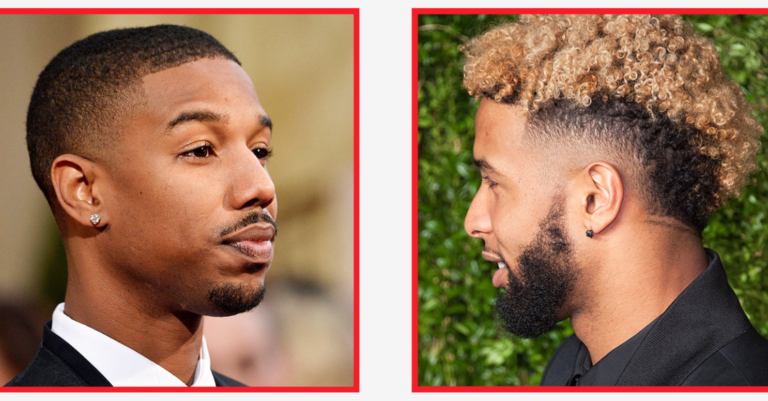
15 Sharp Haircuts for Black Men (2026 Guide)
Black men’s hair — with its unique texture, density, and versatility — supports some of the sharpest cuts in modern barbering. From precision fades to freeform dreads, the range is unmatched. But the texture also demands specific techniques: the wrong barber or wrong cut leads to uneven growth, ingrown hairs, and styles that don’t hold.
These 15 cuts are chosen for how they work with coarse, coily, and curly textures — with honest guidance on maintenance, barber selection, and what each cut demands.

Quick Answer
The best haircuts for Black men work with natural texture: low/mid/high fades, tapers, twists, dreads, 360 waves, and afros. The critical factor is a barber experienced with Black hair — technique matters more than the specific cut. Most sharp cuts need touch-ups every 1–3 weeks.
The Non-Negotiables
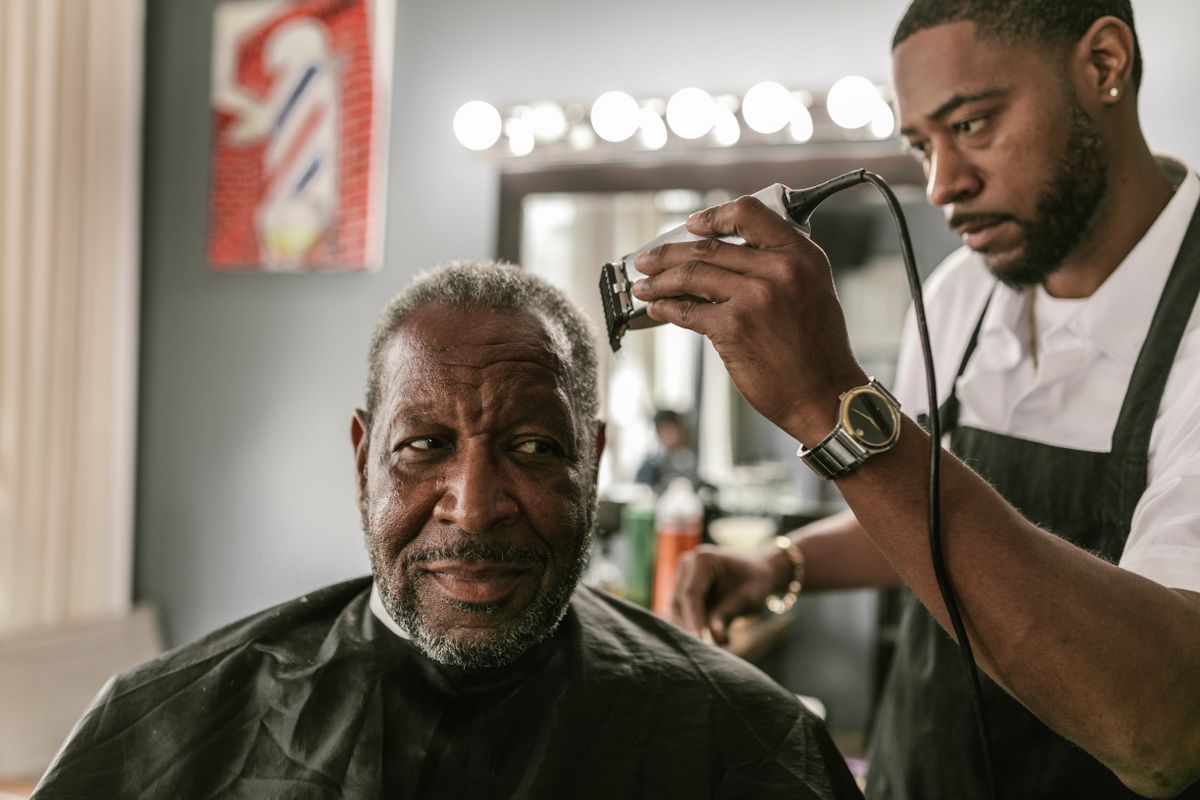
- Find the right barber. Not every barber understands Black hair texture. Look for a shop where the clients’ hair looks like yours.
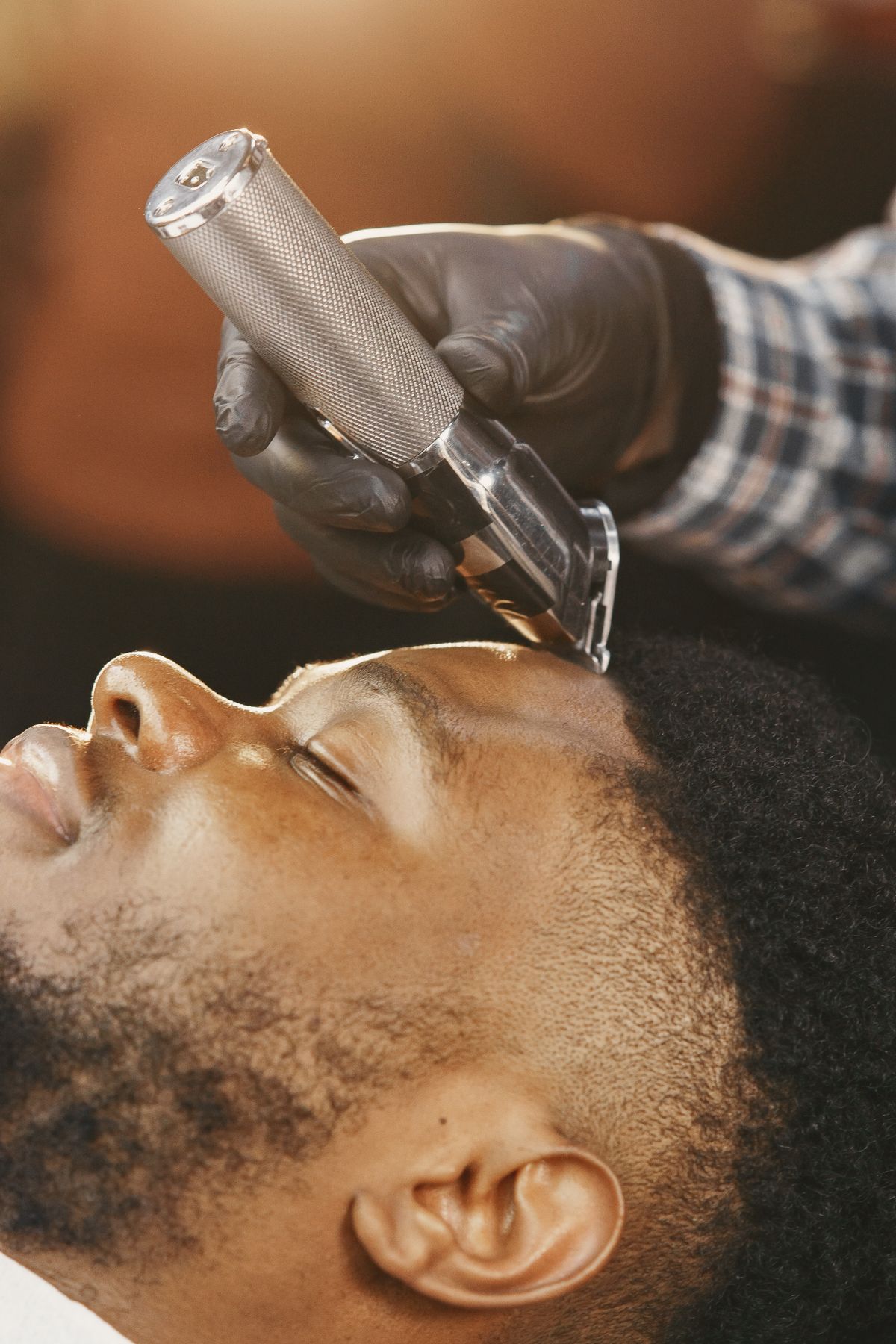
- Line-ups are the frame. A crisp shape-up makes any cut look 10x sharper. It grows out in ~1 week — plan accordingly.
- Moisture is mandatory. Coily hair is naturally drier. Leave-in conditioner and oils aren’t optional.
- Nighttime protection. Durag or satin bonnet preserves line-ups, waves, and twists overnight.
- Ingrown hair prevention. Proper shaving technique (not against the grain on the neck) and exfoliation prevent razor bumps.
Fades & Tapers
1. Low Fade with Line-Up
Subtle, professional, razor-sharp. The low fade keeps it conservative while the shape-up provides the edge.
Maintenance: Line-up touch-up weekly; full cut every 2–3 weeks.
2. Mid Fade with Curls on Top
The modern classic: mid fade with natural curls or coils left longer on top. Clean sides, texture on top.
3. High Fade with Short Afro
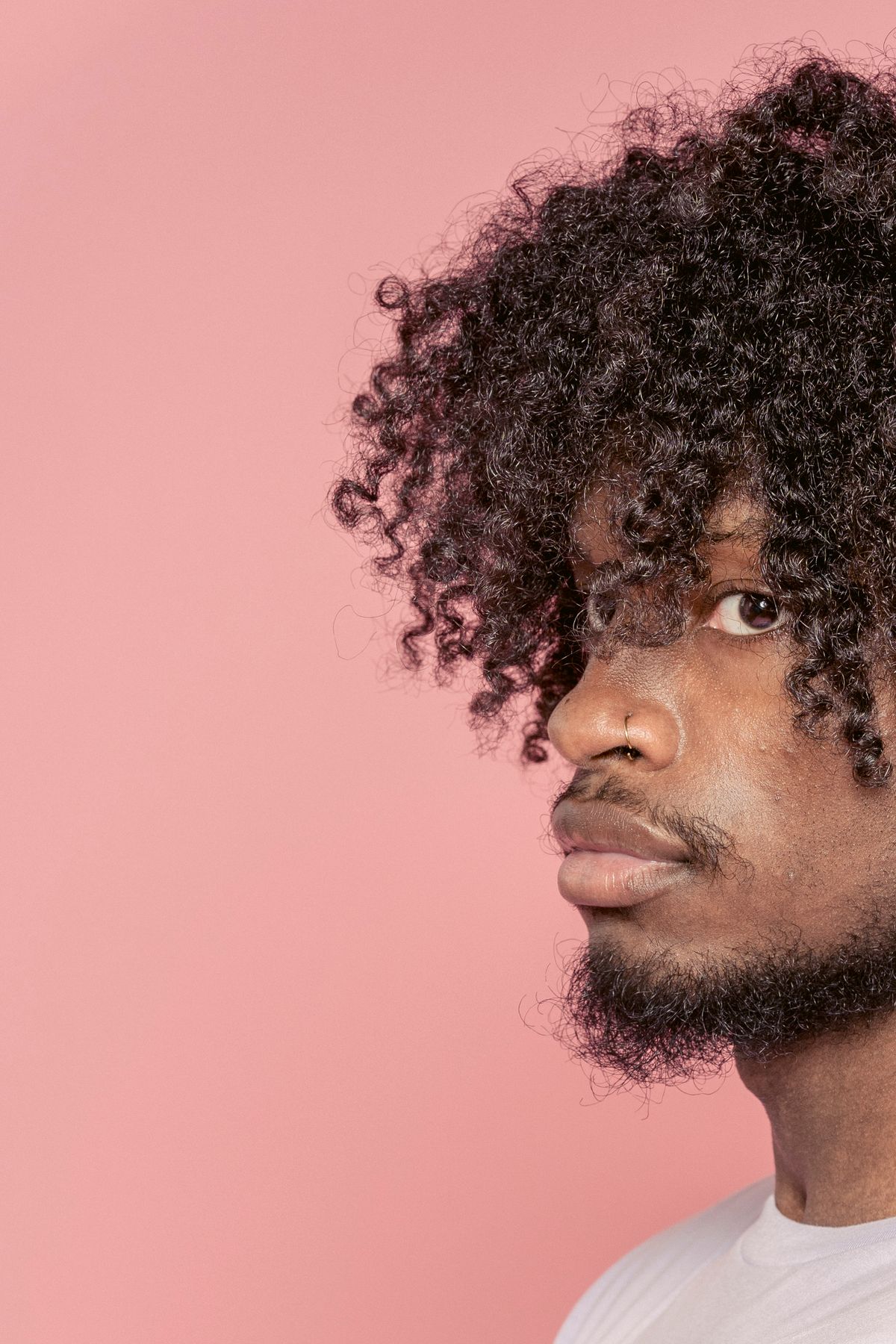
Bold and clean — high fade with a short, shaped afro. Maximum contrast, maximum sharpness.

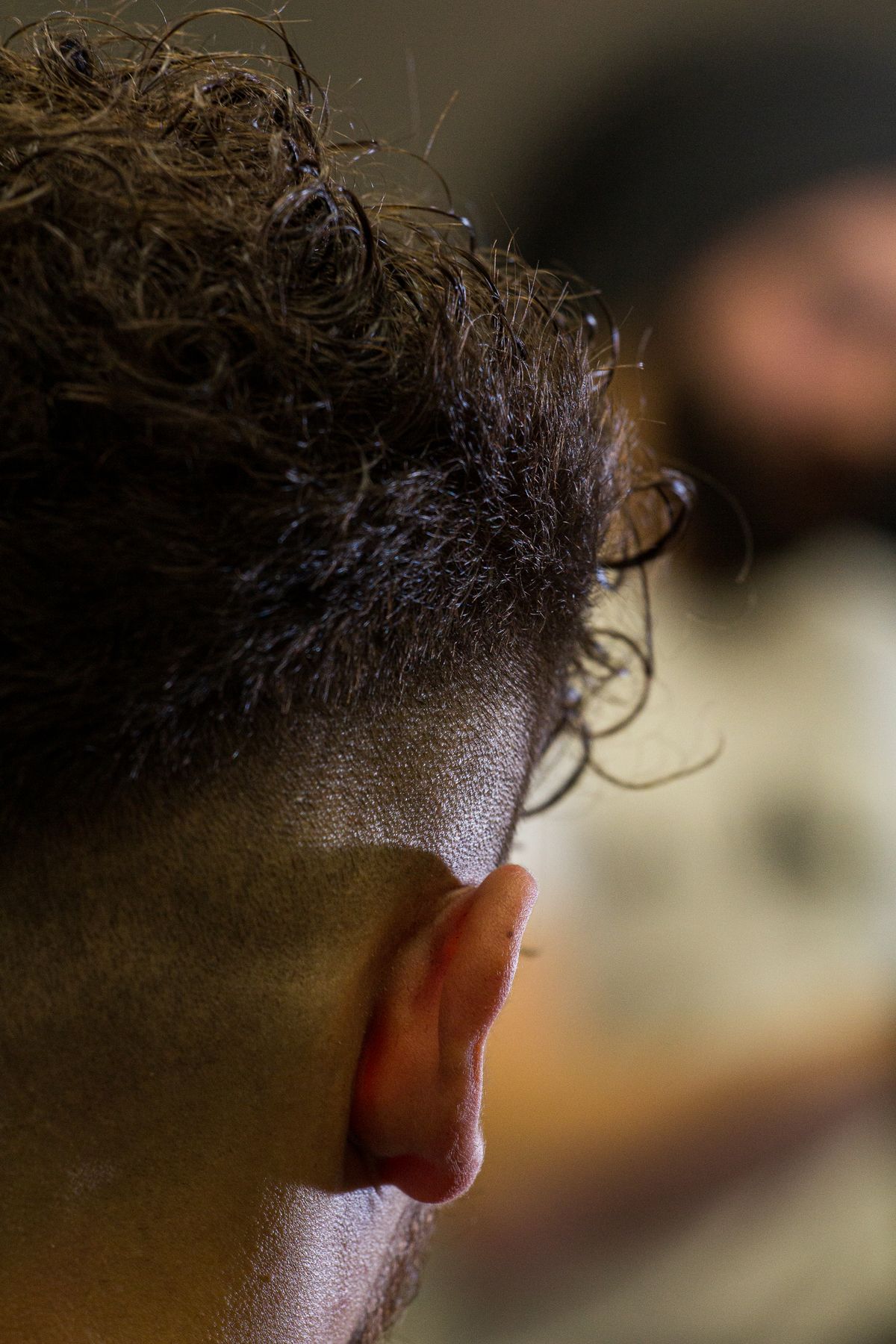
4. Drop Fade
The fade drops behind the ear instead of going straight across — follows the head’s natural curve. Flattering on most head shapes.
5. Taper Fade (Professional)
Less aggressive than a skin fade: tapered sides with a natural neckline. The office-friendly fade.
Texture Styles
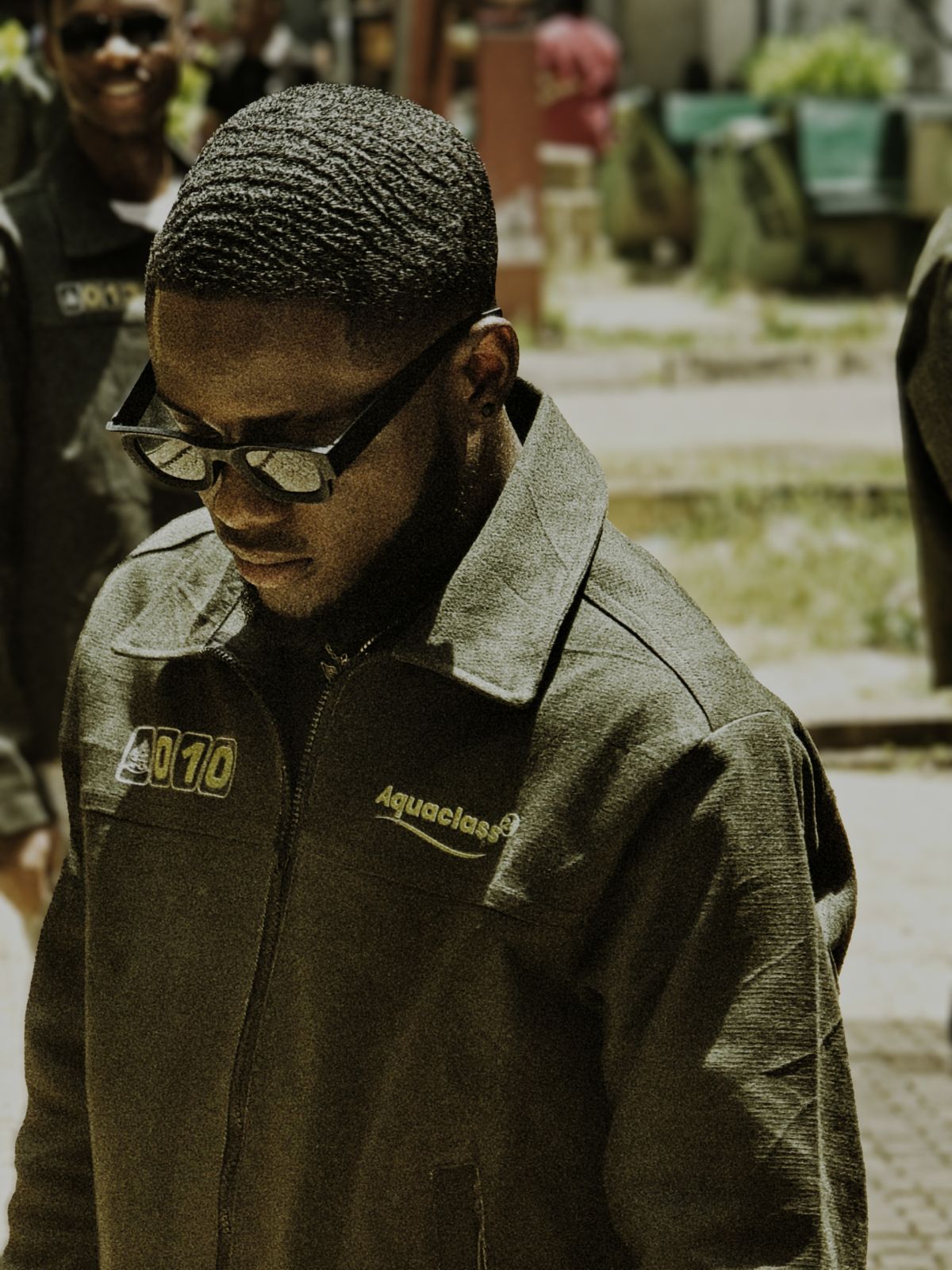
6. 360 Waves
The iconic style: trained waves circling the head. Requires commitment — daily brushing (30+ min), durag at night, consistent cuts.
Reality check: 4–8 weeks to develop, daily maintenance forever. Not a low-effort style — but unmatched when done right.
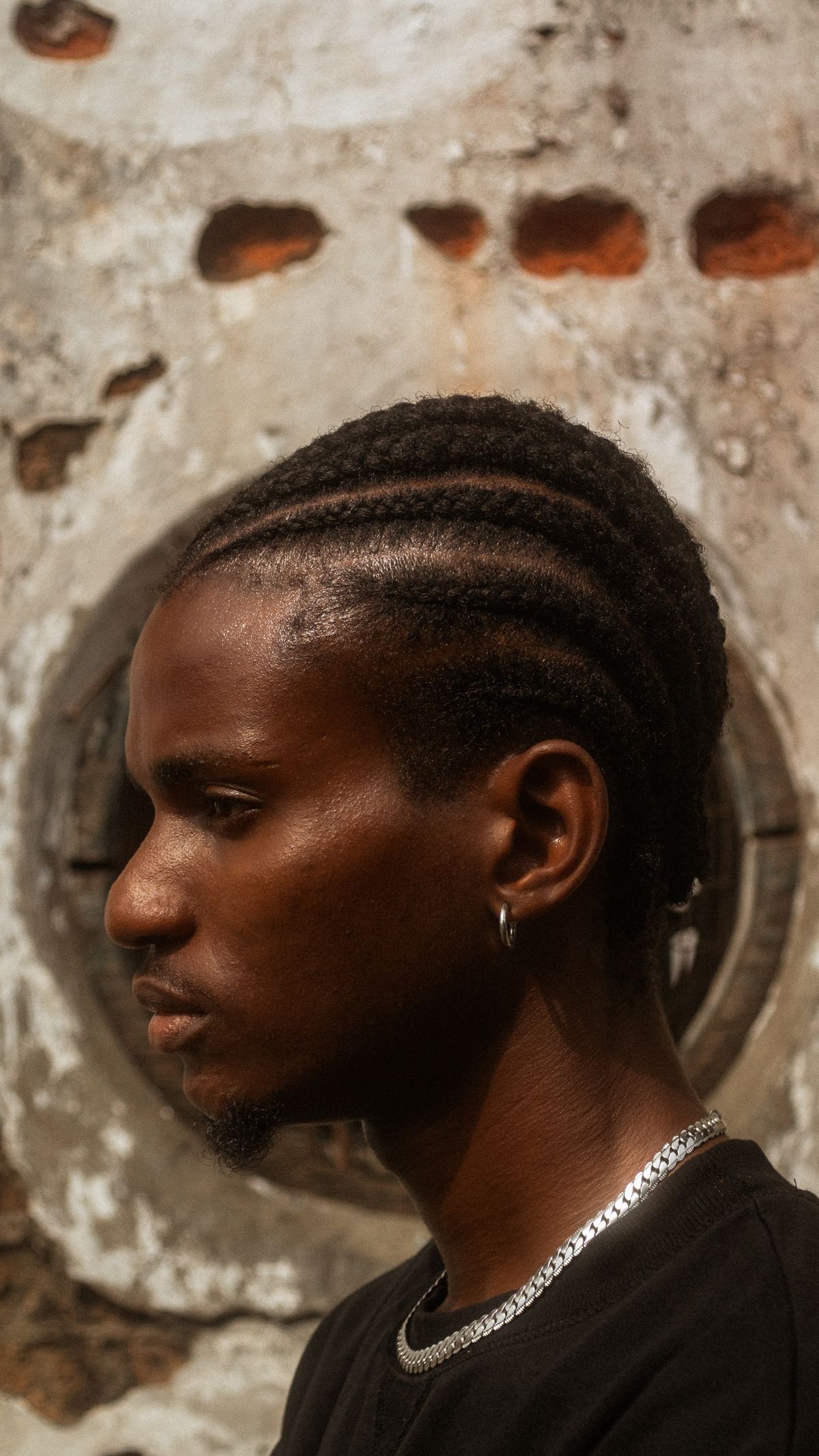
7. Twists (Two-Strand)
Two-strand twists: protective, stylish, versatile. Wear them as-is, or unravel for a twist-out.
Lasts: 2–4 weeks with nighttime protection.
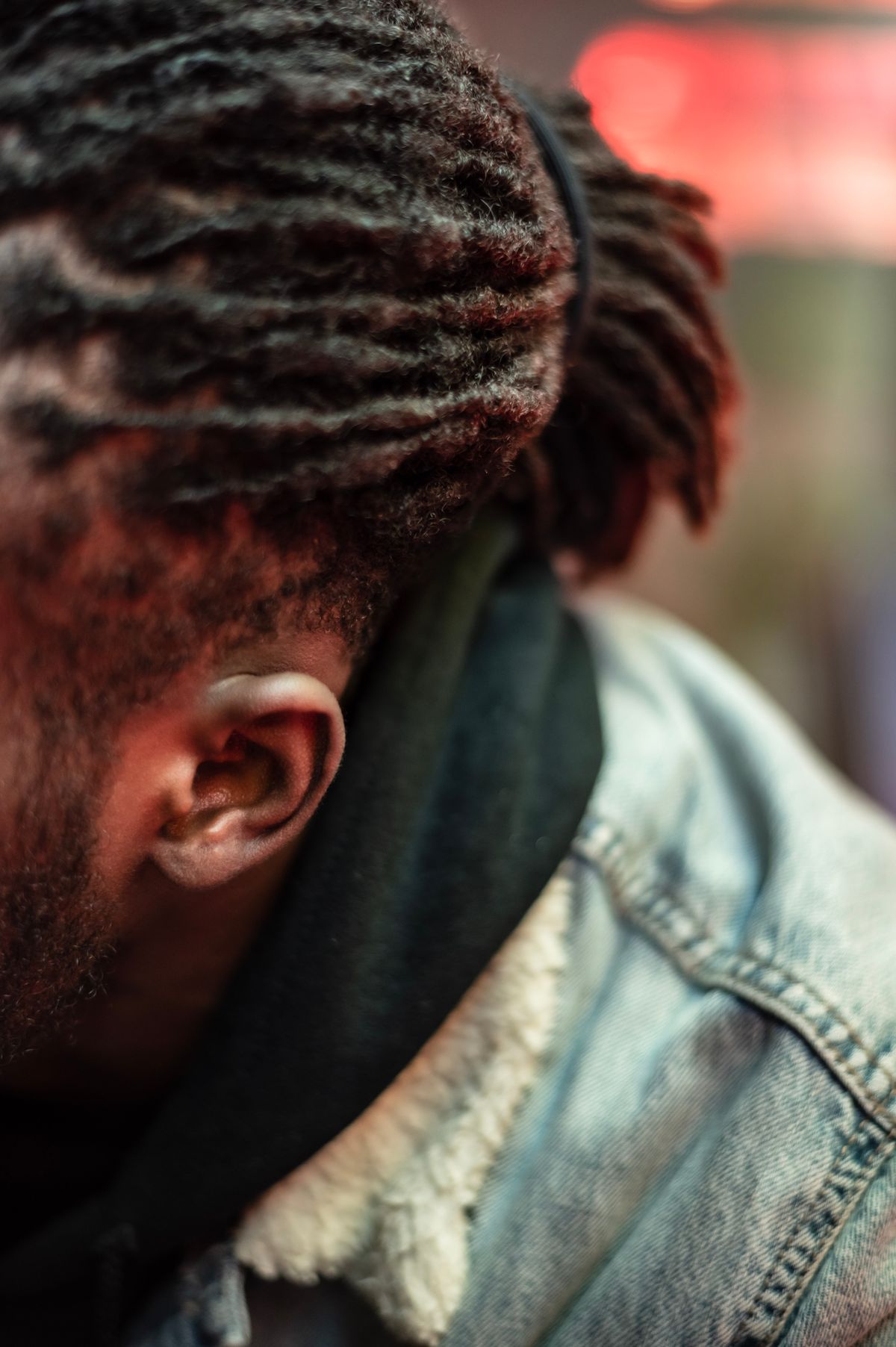
8. Freeform Dreads
Natural, unmanipulated locs formed over time. A journey and a statement — freeforms are deeply personal.
9. Tapered Afro
The modern afro: tapered sides, shaped top. The ‘fro refined for 2026 — intentional shape, not just growth.
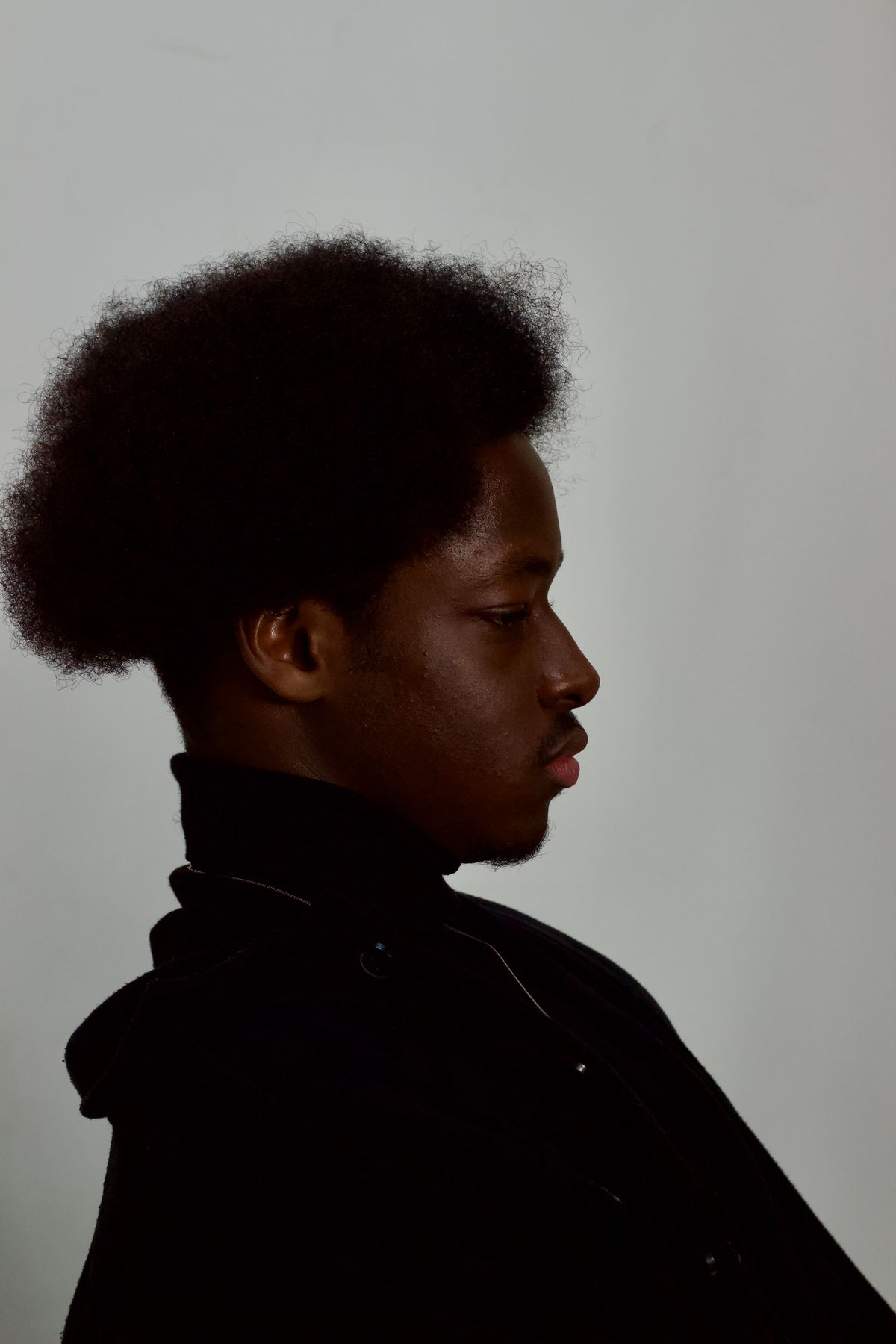
10. Short Coils with Temp Fade
Sharp temp fade at the temples with short defined coils on top. Clean lines frame the face; coils provide character.
Classic & Sharp
11. Buzz Cut with Shape-Up
The lowest-maintenance sharp cut: even buzz, crisp line-up. Clean, masculine, zero styling.
12. Caesar Cut
Short, horizontal fringe, even all over. Ancient cut, modern edge — especially sharp with a line-up.
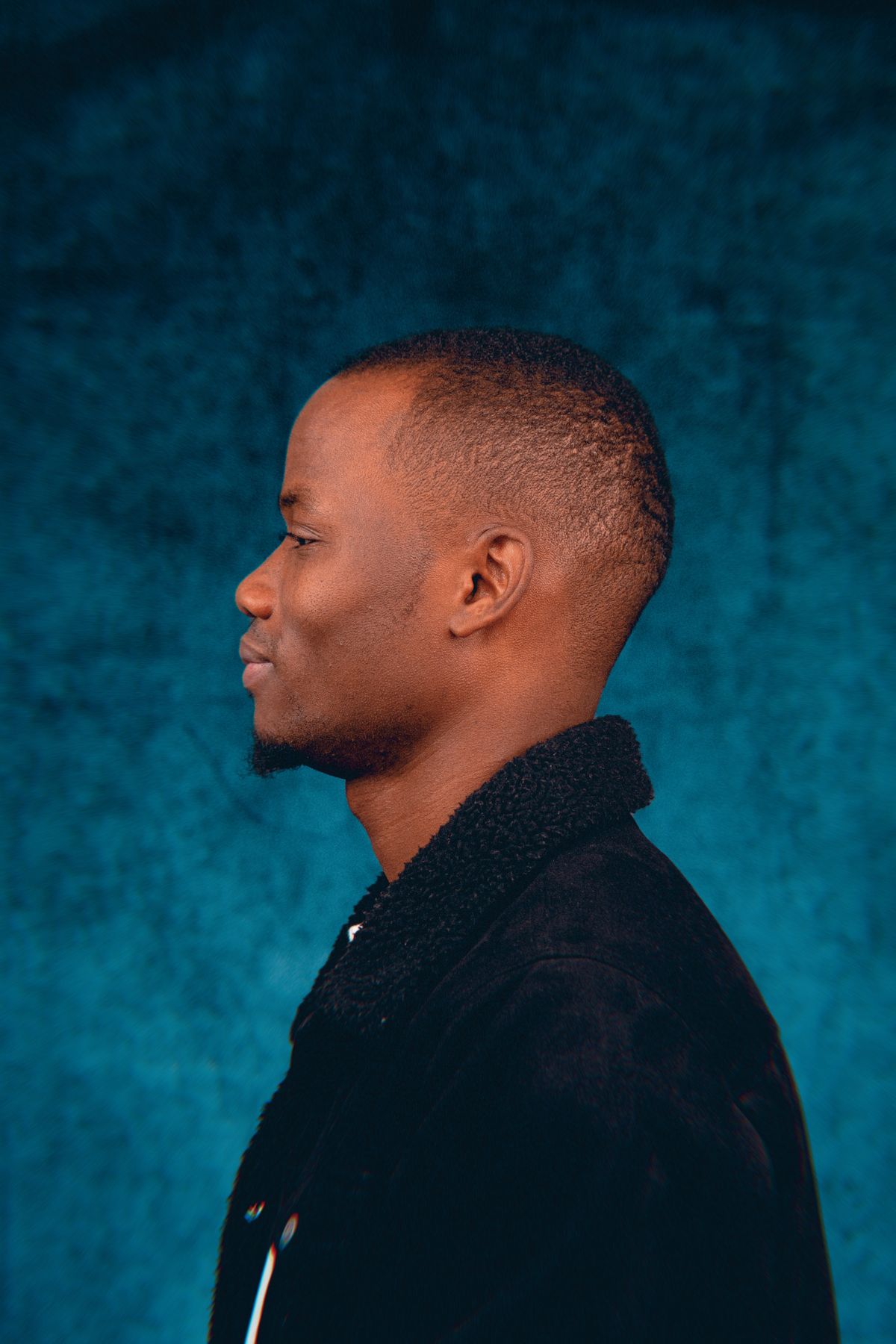
13. Low Cut with Beard Blend
The haircut-beard connection: a low cut faded seamlessly into a shaped beard. The blend is everything — find a barber who does both.
Longer Styles
14. Shoulder-Length Dreads
Mature locs with length — versatile (buns, ponytails, free-hanging) and striking. Requires a loctician for maintenance.

15. High-Top Fade (Retro Revival)
The 90s icon is back: flat-top silhouette with faded sides. Bold, geometric, unmissable. Needs a barber who can cut a true flat top — it’s a specialty skill.
Waves Training Guide (Quick)
- Cut hair to 1–1.5 inches, even all over.
- Brush 30+ minutes daily (with the grain, in the wave pattern).
- Moisturize: leave-in + light oil.
- Durag every night — non-negotiable.
- Get cuts every 2 weeks (don’t let it grow past 2 inches while training).
Frequently Asked Questions
How often should Black men get haircuts?
Every 1–3 weeks for fades and line-ups; 3–4 weeks for longer styles. The sharper the cut, the more frequent the maintenance.
What causes razor bumps and how do I prevent them?
Curly hair growing back into skin. Prevention: don’t shave against the grain, use a single-blade or electric trimmer, exfoliate, and consider growing a beard instead of clean-shaving.
Are dreads professional?
Increasingly yes — and legally protected in many places (CROWN Act). Neat, maintained locs are professional in most modern workplaces.
What’s the best product for 360 waves?
A quality wave brush (medium/hard), moisturizing leave-in, light pomade for hold, and a durag. Technique beats products.
How do I find a good barber for Black hair?
Look at the shop’s clientele and Instagram — if their posted cuts match your hair type and desired style, that’s your shop. Ask for specifically who’s best with your texture.
Final Thoughts
Black men’s hair is the most versatile texture in barbering — fades, waves, twists, locs, afros, all on the same head across a lifetime. The cut matters less than the barber and the maintenance. Find your specialist, commit to the upkeep your chosen style demands, and wear it with confidence.