12 Essential Hair Care Tips for Healthy, Gorgeous Hair (2026 Guide)
Great hairstyles start before the styling — they start with healthy hair. No cut, color, or styling trick can fake the look of genuinely healthy hair: shine, elasticity, and ends that don’t look like straw.
These 12 tips cover the full foundation: washing, conditioning, heat, protection, and the habits that quietly damage hair over time. Whether your hair is straight, wavy, curly, or coily, these fundamentals apply.

Quick Answer
Healthy hair comes from: washing correctly (not too often, right products), conditioning every wash, minimizing heat damage, protecting hair at night, trimming regularly, and eating/treating your body well. Most hair damage is cumulative and preventable — not inevitable.
Washing Right

1. Wash Your Scalp, Not Your Length
Shampoo is for the scalp. Work it into the roots with your fingertips (not nails); let the rinse clean the lengths. Scrubbing the lengths strips them dry.
2. Stop Over-Washing
Most hair types: 2–3x per week. Oily scalps may need more; coily hair often needs less. Over-washing strips natural oils and triggers rebound oiliness.
Transition tip: If going from daily to less-frequent washing, dry shampoo bridges the gap for 2–3 weeks while your scalp adjusts.
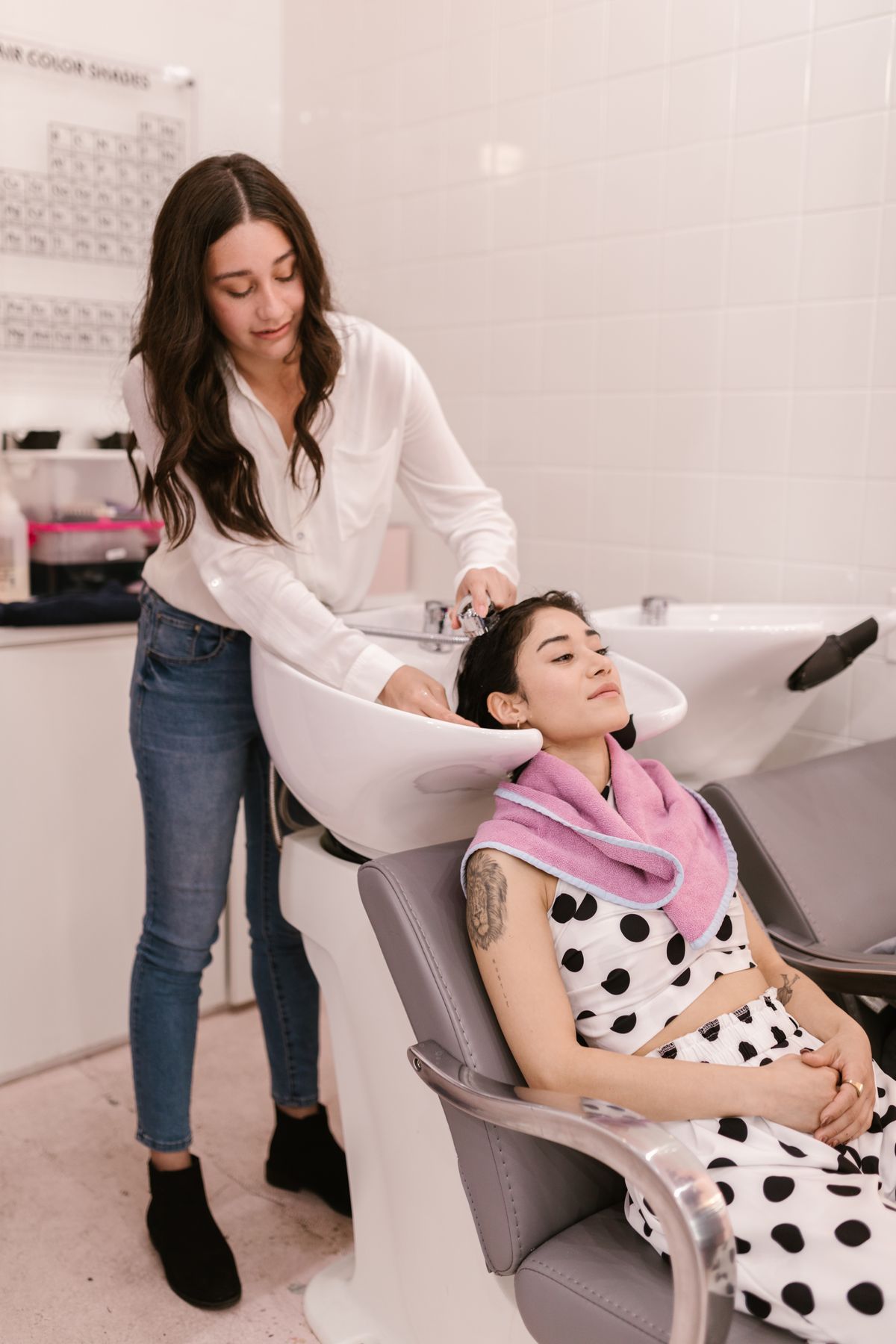
3. Water Temperature Matters
Lukewarm to wash, cool to rinse. Hot water lifts the cuticle (frizz, color fade); cool water seals it (shine, smoothness).
4. Double Shampoo When Needed
First wash removes buildup; second wash actually cleans. If your shampoo never lathers, you needed two washes.

Conditioning & Moisture
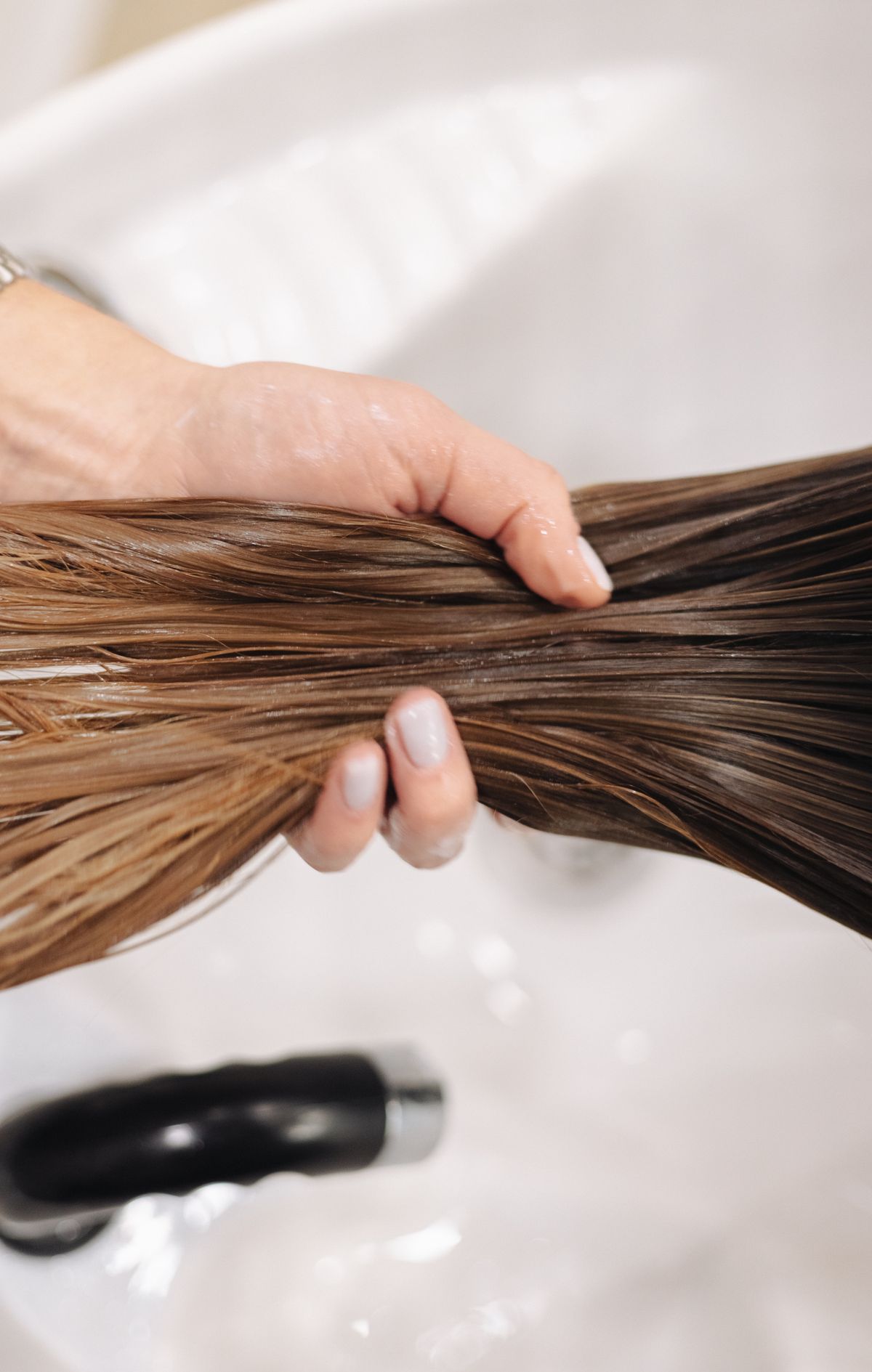
5. Condition Every Single Wash
Even oily hair needs conditioner — just on the mid-lengths and ends, not the scalp. Skipping conditioner is the #1 cause of dry, tangled ends.
6. Deep Condition Weekly
A deep conditioning mask once a week replaces moisture that daily life strips away — especially for color-treated, heat-styled, or curly/coily hair.

7. Leave-In Is Not Optional for Texture
Wavy, curly, and coily hair lose moisture fast. A leave-in conditioner after every wash is the baseline — not a bonus.
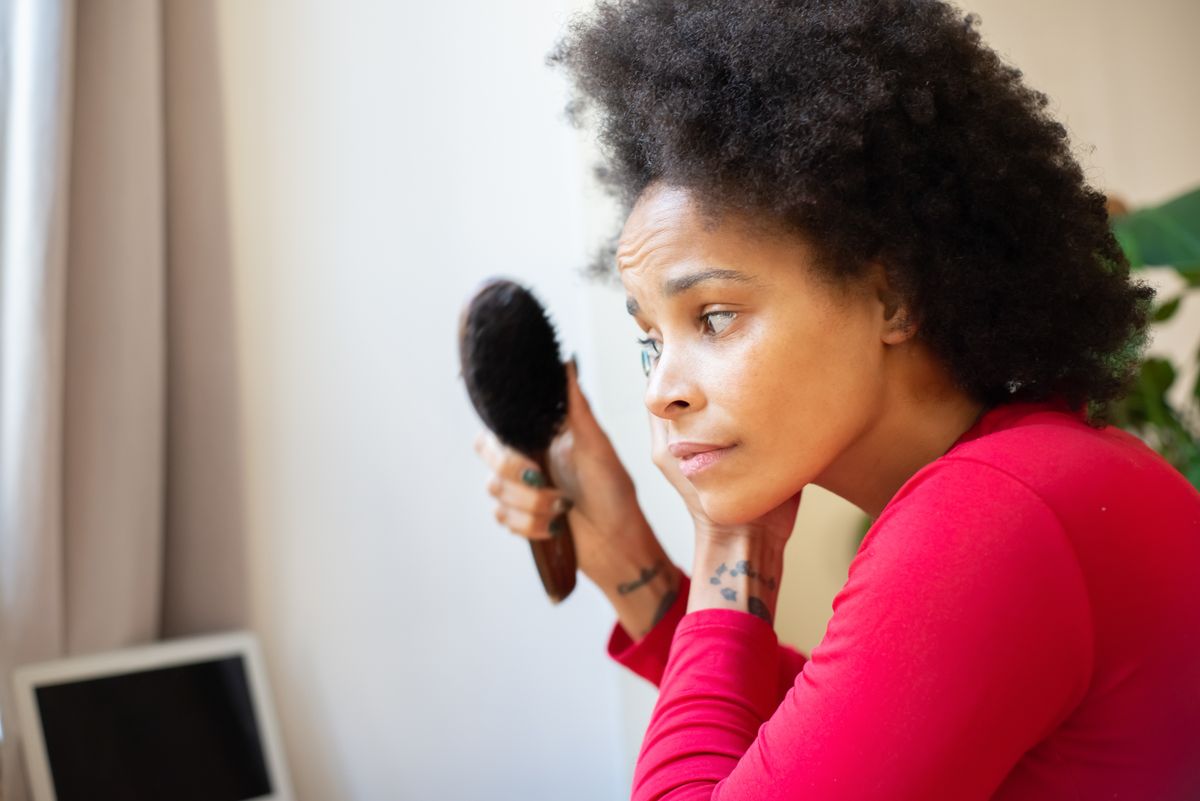
Heat & Styling Damage Control
8. Heat Protectant Every Time
No exceptions. Flat irons reach 450°F; hair protein damage starts around 300°F. Protectant is the difference between styled and fried.
9. Turn Down the Heat
Fine hair: 300–350°F. Medium: 350–400°F. Coarse: up to 450°F. Most people use far more heat than their hair needs.
10. Give Hair Heat-Free Days
Air-dry when you can. Heatless styles (braids, buns, twists) on off days let hair recover. Damage is cumulative — rest days matter.

Protection & Habits
11. Protect Hair at Night
Cotton pillowcases create friction (frizz, breakage). Silk/satin pillowcases, loose braids, or bonnets preserve hair overnight — especially for textured hair.

12. Trim Before It’s Desperate
Split ends travel upward and cause more breakage than the trim removes. Every 8–12 weeks for most hair; don’t wait until ends are see-through.
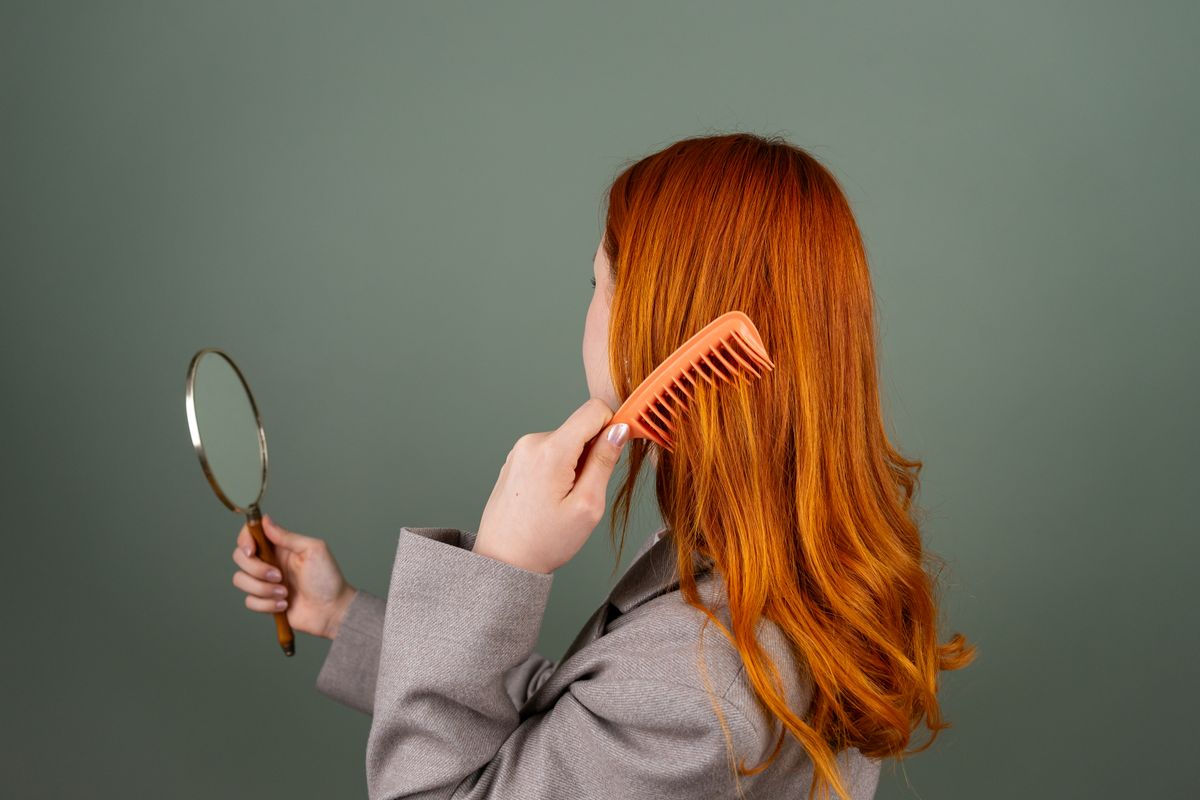
Bonus: The Inside-Out Factors
- Nutrition: Protein, iron, and biotin support hair growth. Crash diets show up in hair within months.
- Stress: Major stress triggers shedding (telogen effluvium) 2–3 months later. It’s usually temporary.
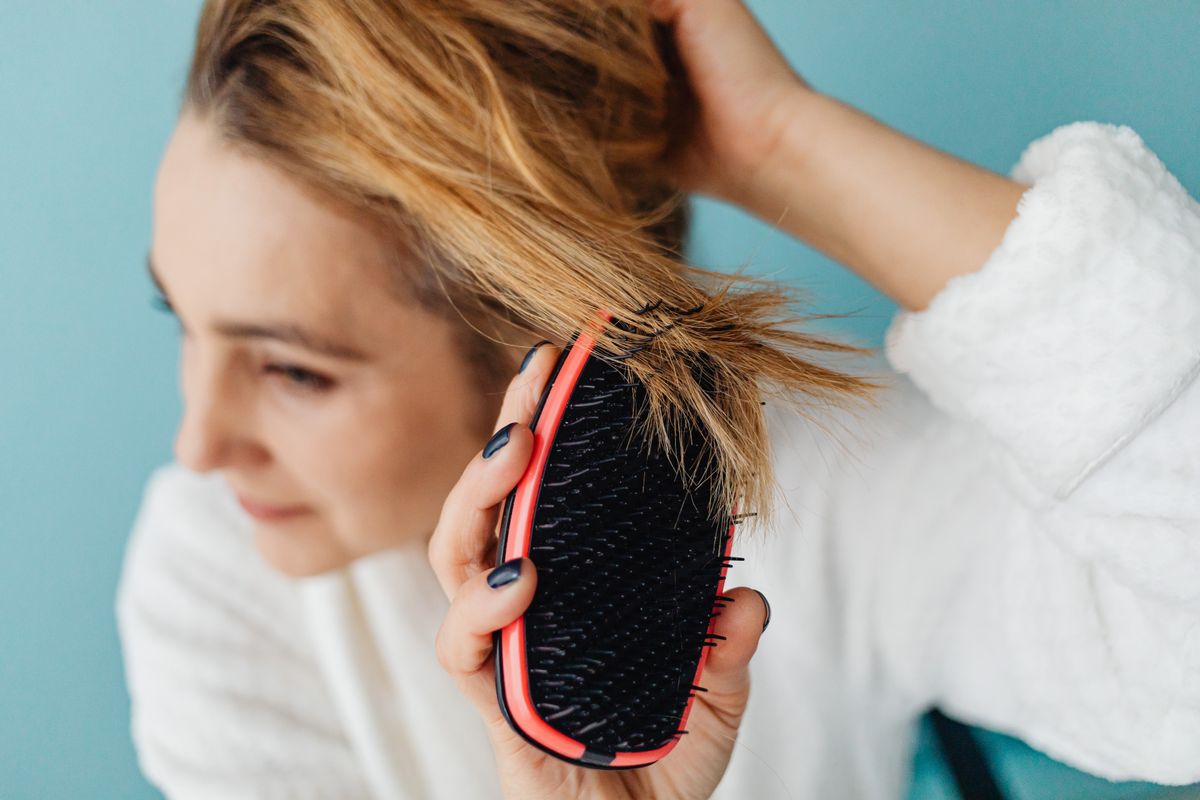
- Gentle handling: Wet hair stretches and breaks — detangle gently, never rip. Tight hairstyles daily cause traction damage.
Hair Care by Type: Quick Reference
| Hair type | Wash frequency | Key need |
|---|---|---|
| Fine/straight | Every 1–2 days | Lightweight products, volume |
| Wavy | 2–3x/week | Light moisture, frizz control |
| Curly | 1–2x/week | Deep moisture, gentle handling |
| Coily | Weekly/biweekly | Maximum moisture, protective styles |
| Color-treated | 2x/week max | Color-safe products, less heat |
| Fine + oily | Daily or every other | Clarifying, light conditioner |

Frequently Asked Questions
How do I know if my hair is damaged?
Stretch test: a wet strand should stretch ~30% and return. If it snaps immediately (lacks elasticity) or stretches forever (over-moisturized), it needs help.
Can damaged hair be repaired?
Split ends can’t be fused back — they must be trimmed. But the hair shaft’s condition (moisture, elasticity, shine) can be dramatically improved with proper care.
Is expensive shampoo worth it?
Up to a point. What matters: sulfate-free for color/treated hair, right formula for your type. Beyond ~$15–25, you’re often paying for fragrance and branding.
How much hair loss is normal?
50–100 strands/day is normal. Clumps, visible thinning, or sudden increases warrant a dermatologist visit.
Does trimming make hair grow faster?
No — growth happens at the scalp. But trims prevent breakage, so you RETAIN more length. Same visible result, different mechanism.
Final Thoughts
Hair care isn’t complicated — it’s consistent. Wash right, condition always, protect from heat, sleep smart, trim on schedule. Do these 12 things and your hair will look better in 3 months than any single salon visit could achieve.
